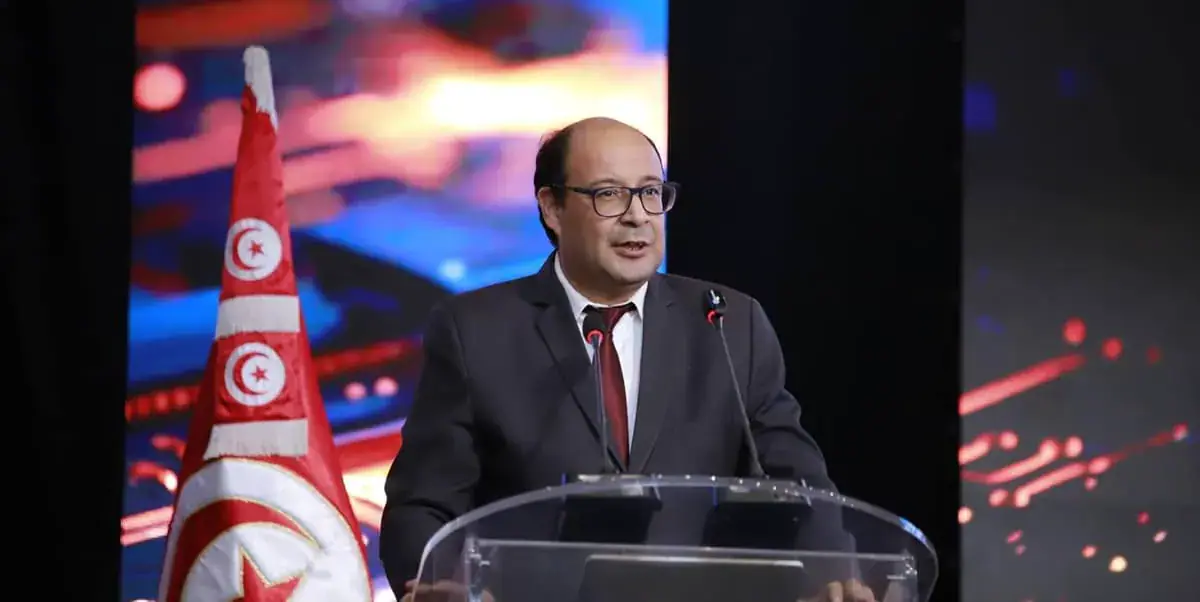
The Ministry of Communication Technology in Tunisia has revealed that public establishments under its supervision cover nearly 80% of the total expenses for 2027. These resources amount to 858.499 million dinars, out of a total volume of 1.074 billion dinars. This information was presented by Minister Sofiene Hemissi during a parliamentary session on November 6, where the budget for his department was examined.
The state's resources contribute 215.6 million dinars, which is about 20% of the overall amount. This state contribution is comprised of 46.188 million dinars from general resources, 69.412 million dinars from external loans, and 100 million dinars from special accounts. This distribution highlights the significant role public establishments play in financing the Ministry of Communication Technology's mission.
It is essential to note that the 1.074 billion dinars represent the total volume of expenses for the mission and not the budget directly allocated to the ministry's functioning. The state's resources, amounting to approximately 215.6 million dinars, primarily fund the ministry's operations. The focus on public establishments' financial contribution underscores their crucial role in supporting the ministry's activities.
The program of action for 2027 places significant emphasis on enhancing cybersecurity and digital trust. The Ministry plans to update the legal, regulatory, and technical framework related to protecting families and children in the digital space. Strengthening the security of national systems and vital digital infrastructures are also among the priorities.
Modernizing electronic certification procedures and generalizing digital identity are expected to facilitate citizens' access to administrative services remotely. The program also aims to raise awareness of good digital practices and promote safer use of online services. One of the objectives is to improve Tunisia's ranking in the Global Cybersecurity Index, aiming to move from level 3 in 2024 to level 2 by 2027.
Artificial intelligence is another major focus of the ministry's program. Announced orientations include establishing a governance system dedicated to this technology, supporting the development of high-performance sovereign data centers, and creating an ethical charter to regulate its use. A center of excellence in artificial intelligence for the health sector is among the planned projects, aiming to encourage the integration of these technologies in a strategic public service domain.
The modernization of administration is also set to benefit from new intelligent tools, including the development of an administrative assistant and a national legal information portal with an intelligent search engine. The ministry aims to triple the number of government projects incorporating artificial intelligence, increasing from two projects to six by 2027.
Key points
- Public establishments cover 80% of the expenses for the Ministry of Communication Technology's mission in 2027.
- Tunisia aims to improve its cybersecurity ranking to level 2 by 2027.
- The ministry plans to triple the number of government projects using artificial intelligence by 2027.