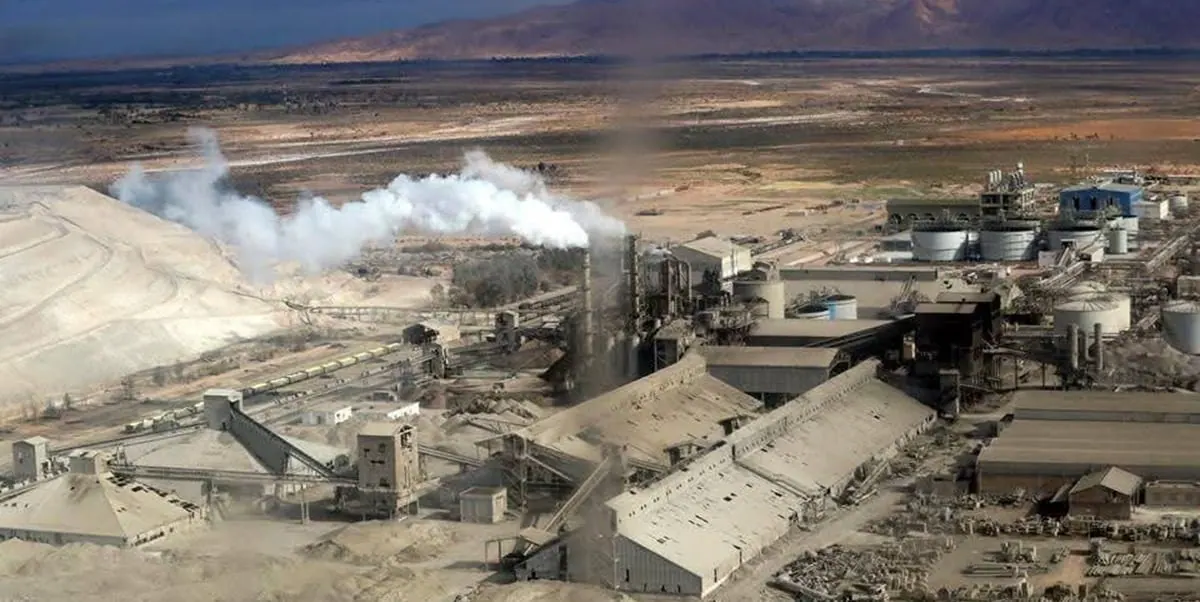
The Mdhila 1 chemical complex in Tunisia has resumed production, over four months after it was halted. The complex's production unit number one restarted on September 30, according to reports from Diwan FM. The facility had been closed since May due to difficulties in obtaining industrial steam, a crucial component for several of its installations. The shutdown had significantly impacted the production of phosphate fertilizers.
The complex plays a vital role in supplying the Tunisian market with phosphate fertilizers. In late August, a source from the Tunisian Chemical Group stated that the plant was ready to meet the local market's needs, particularly for triple superphosphate (TSP). The estimated demand for the agricultural season was over 45,000 tonnes. The resumption of production at Mdhila 1 is essential for maintaining a steady supply to the agricultural sector.
The halt in production was attributed to a shortage of industrial steam and disruptions in the supply chain, exacerbated by geopolitical tensions around the Strait of Hormuz. The complex's production of sulfuric and phosphoric acid, essential for phosphate fertilizer production, was severely impacted. The restart of the unit brings an end to several months of inactivity, although the current production levels and impact on fertilizer availability remain unclear.
Mdhila 1's operations are critical for Tunisia's agricultural industry, which relies heavily on phosphate fertilizers. The complex's ability to meet domestic demand is vital for the country's food security and agricultural productivity. The facility's production capacity and efficiency will be closely watched in the coming months to ensure a stable supply of fertilizers.
The resumption of production at Mdhila 1 is a positive development for Tunisia's chemical industry and agricultural sector. The complex's restart will help alleviate potential shortages and support the country's agricultural needs. However, the long-term impact of the halt and the current production levels will require ongoing monitoring and assessment.
The challenges faced by Mdhila 1 highlight the complexities of global supply chains and the importance of reliable industrial infrastructure. The facility's experience underscores the need for robust logistics and supply chain management to mitigate the risks of disruptions and ensure continuous production.
As Mdhila 1 ramps up production, stakeholders will be watching closely to ensure that the complex meets its production targets and supplies the Tunisian market with the necessary phosphate fertilizers. The facility's performance will have a significant impact on the country's agricultural sector and food security.
Key points
- The Mdhila 1 chemical complex in Tunisia has resumed production after a four-month halt due to industrial steam shortages and supply chain disruptions.
- The complex plays a vital role in supplying the Tunisian market with phosphate fertilizers, with an estimated demand of over 45,000 tonnes for the agricultural season.
- The resumption of production at Mdhila 1 is essential for maintaining a steady supply to the agricultural sector and supporting Tunisia's food security and agricultural productivity.