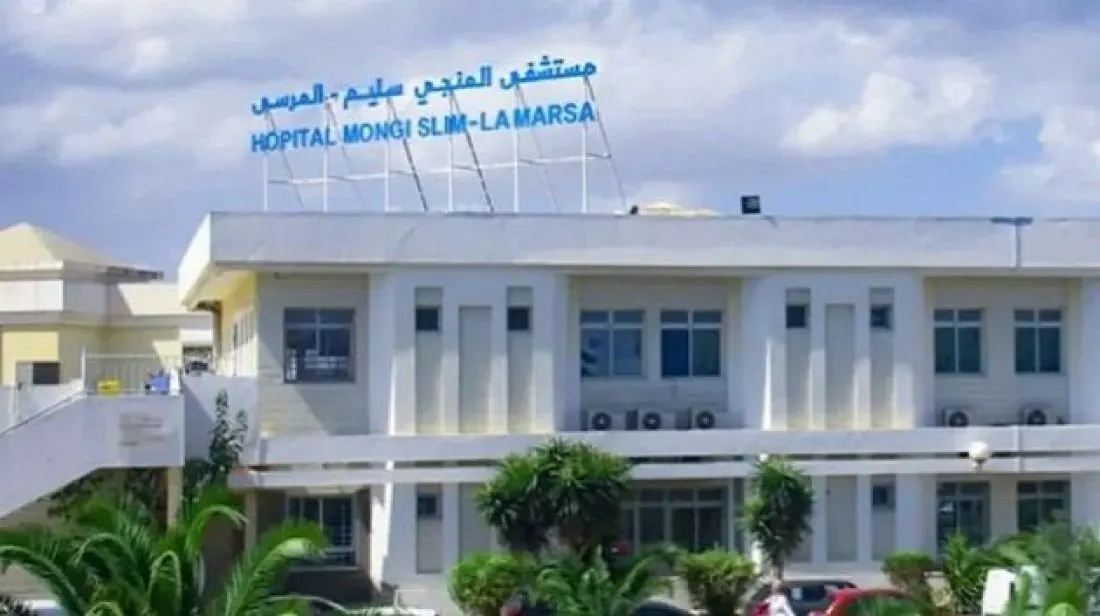
Tunisia's Mangi Slim Hospital has started using a new application called "Najda" to improve care for stroke patients. The application aims to enhance coordination and communication between emergency doctors, neurologists, and radiologists. This will help reduce diagnosis and intervention times, making care for stroke patients more effective. The hospital introduced the application during a training day organized by the emergency department.
The "Najda" application will facilitate the exchange of information and coordination between different specialties involved in stroke care. This will enable medical teams to respond quickly and effectively to emergency situations. The application is part of a broader effort to improve healthcare services in Tunisia. The training day was attended by medical professionals from various fields, including emergency medicine, neurology, radiology, and pharmacy.
The training day was organized in collaboration with the Ministry of Health and featured a presentation by Mamon Ben Sheikh, advisor to the Minister of Health and coordinator of the "Najda" program. The program aims to improve care for patients with heart and brain strokes. Participants shared experiences and expertise on developing comprehensive care for stroke patients.
The General Director of Mangi Slim Hospital, Nasser Zaydi, emphasized the importance of continuous training and scientific initiatives in developing healthcare professionals' skills and improving hospital services. The hospital is committed to providing high-quality care for stroke patients. The introduction of the "Najda" application is part of this effort.
The "Najda" application is an electronic platform that enables medical teams to quickly and effectively respond to emergency situations. The application provides real-time information and facilitates communication between healthcare professionals. This will help reduce the time it takes to diagnose and treat stroke patients.
The launch of the "Najda" application at Mangi Slim Hospital is part of a broader effort to improve healthcare services in Tunisia. The hospital is committed to providing high-quality care for patients and is continually working to improve its services. The introduction of the application is an important step in this process.
The use of technology in healthcare is becoming increasingly important in Tunisia. The introduction of the "Najda" application at Mangi Slim Hospital is an example of this trend. The application has the potential to make a significant impact on the care of stroke patients in Tunisia.
Key points
- The "Najda" application aims to enhance coordination and communication between emergency doctors, neurologists, and radiologists to improve care for stroke patients.
- The application will facilitate the exchange of information and coordination between different specialties involved in stroke care.
- The launch of the "Najda" application is part of a broader effort to improve healthcare services in Tunisia.