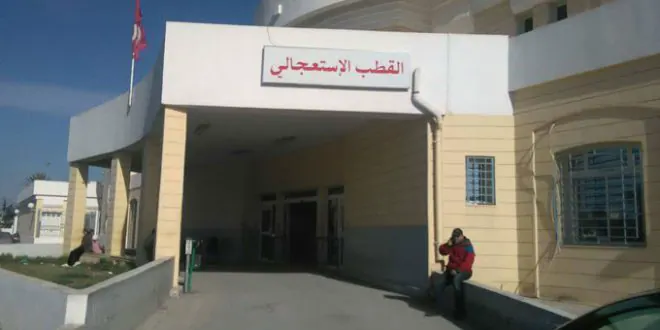
Tunisia's Mangi Slim Hospital has launched a new application called "Najda" to enhance care for patients with brain strokes. The application aims to facilitate communication and coordination among emergency doctors, neurologists, and radiologists. This development is expected to reduce diagnosis and intervention times, ultimately improving patient outcomes. The hospital's emergency department organized a training day to introduce the application, which was attended by medical professionals from various specialties.
The "Najda" application is designed to streamline information exchange and coordination among medical specialists involved in stroke care. By doing so, it seeks to reduce the time taken for diagnosis and intervention, leading to more effective care for stroke patients. The application was introduced during a training day organized by the hospital's emergency department, in collaboration with the Ministry of Health. The event brought together medical professionals from various specialties, including emergency medicine, neurology, radiology, and pharmacy.
The training day featured a presentation by Mamon Ben Sheikh, a consultant to the Minister of Health and coordinator of the "Najda" program. The program aims to improve care for patients with heart and brain strokes. Ben Sheikh's presentation was delivered remotely and focused on sharing experiences and expertise in developing comprehensive care for stroke patients. The event provided a platform for medical professionals to exchange ideas and best practices in stroke care.
The launch of the "Najda" application is part of the hospital's efforts to enhance its services and improve patient outcomes. According to Nasser Zaydi, the hospital's general director, ongoing training and scientific initiatives are essential for developing the skills of healthcare professionals and improving the quality of care. The hospital's emergency department plays a critical role in providing timely and effective care for stroke patients.
The introduction of the "Najda" application is a significant development in Tunisia's healthcare sector. The application has the potential to improve coordination and communication among medical specialists, leading to better patient outcomes. The hospital's efforts to enhance its services and improve care for stroke patients are commendable. The training day organized by the hospital's emergency department was an important step in ensuring the successful implementation of the application.
The "Najda" application is a valuable addition to the hospital's services, and its impact is expected to be significant. The application's success will depend on its adoption and use by medical professionals. The hospital's commitment to ongoing training and scientific initiatives will be crucial in ensuring the application's effectiveness. The Ministry of Health's involvement in the application's development and implementation is also noteworthy.
The launch of the "Najda" application marks an important milestone in the development of stroke care in Tunisia. The application's introduction is expected to have a positive impact on patient outcomes and will contribute to improving the quality of care in the country's healthcare sector. The hospital's efforts to enhance its services and improve care for stroke patients are a step in the right direction.
Key points
- The "Najda" application aims to improve coordination and communication among medical specialists involved in stroke care.
- The application has the potential to reduce diagnosis and intervention times, ultimately improving patient outcomes.
- The hospital's commitment to ongoing training and scientific initiatives will be crucial in ensuring the application's effectiveness.