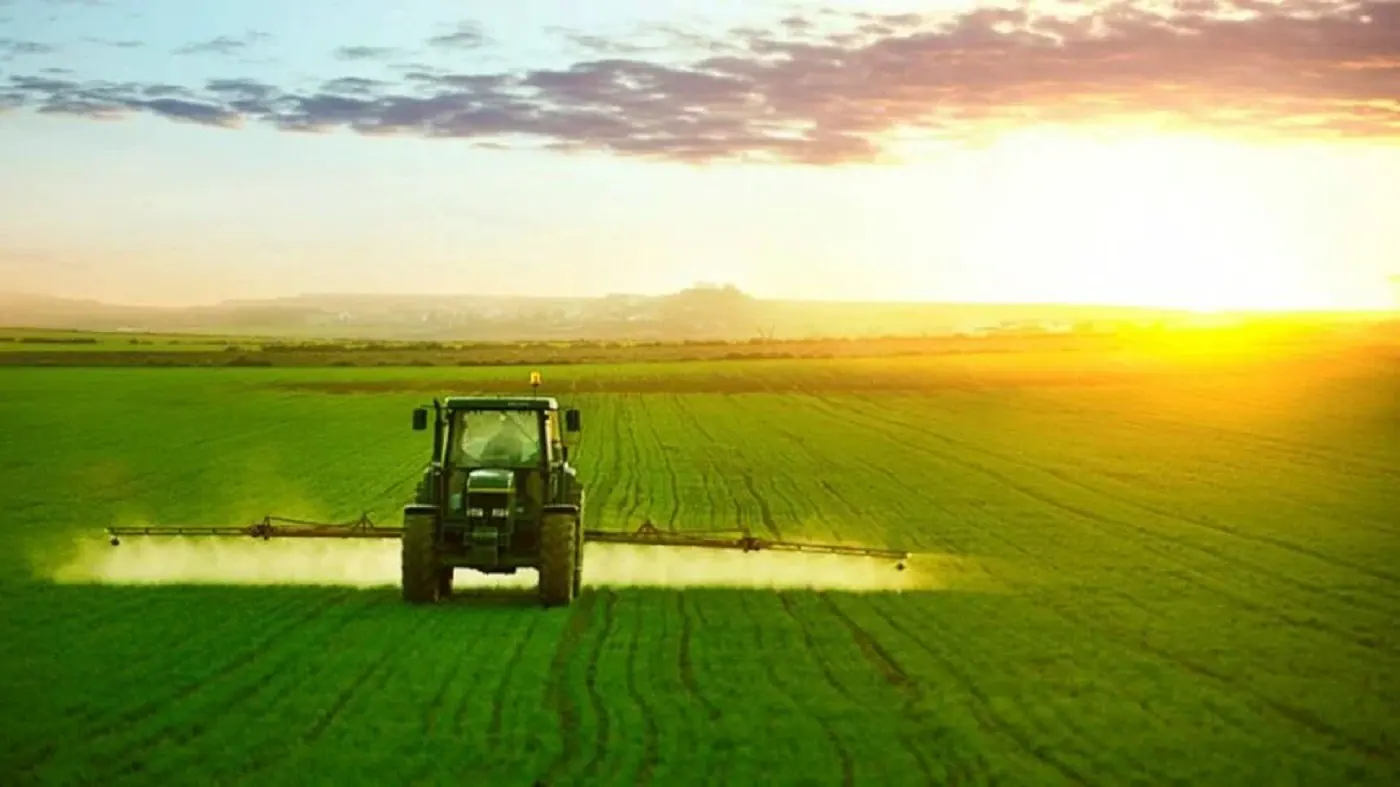
The Tunisian region of Kef has announced plans to cultivate 229,000 hectares of crops in the upcoming 2026-2027 season. This includes 200,000 hectares dedicated to cereals, as part of efforts to boost agricultural production and food security in the country. The plans were unveiled during a meeting at the Kef governorate, where the regional agricultural development commission presented its strategy for the upcoming season.
The meeting included a presentation by the Tunisian Chemical Group on fertilizer supplies for the 2026-2027 season, as well as an evaluation of the previous season. The commission also discussed the needs of farmers, including requirements for nitrate ammonium, diammonium phosphate (DAP), and triple superphosphate. These inputs are crucial for crop growth and development.
To support farmers in the region, agricultural extension cells have launched training sessions, farm visits, and awareness campaigns. The Institute of Field Crops has also started analyzing seeds, with 362 soil samples processed out of a planned 512 as of September 18, 2026. Additionally, alerts have been issued against seed-borne diseases to help prevent their spread.
Kef Governor Walid Kaâbia praised the participatory approach of the meeting, which brought together various stakeholders to discuss the upcoming season. He announced that agricultural debt cases would be reviewed with a view to possible restructuring, and called for better access to campaign credits and strengthened agricultural insurance.
The meeting concluded with an emphasis on the need for coordination between the regional commission, the Office of Cereals, the Chemical Group, the Institute of Field Crops, and collection centers. This coordination aims to rapidly supply farmers, particularly small-scale farmers, with seeds and fertilizers.
The Kef region's agricultural sector is a significant contributor to Tunisia's food security. The government's efforts to support farmers and improve agricultural production are crucial in ensuring a stable food supply for the country. The 2026-2027 season's success will depend on various factors, including weather conditions, pest management, and access to inputs.
The regional agricultural development commission's plans for the 2026-2027 season are part of a broader strategy to boost agricultural production and food security in Tunisia. The commission's efforts to coordinate with various stakeholders and provide support to farmers are expected to contribute to a successful harvest.
Key points
- 229,000 hectares of crops to be cultivated in Kef region during 2026-2027 season.
- 200,000 hectares dedicated to cereals.
- Agricultural debt cases to be reviewed for possible restructuring.