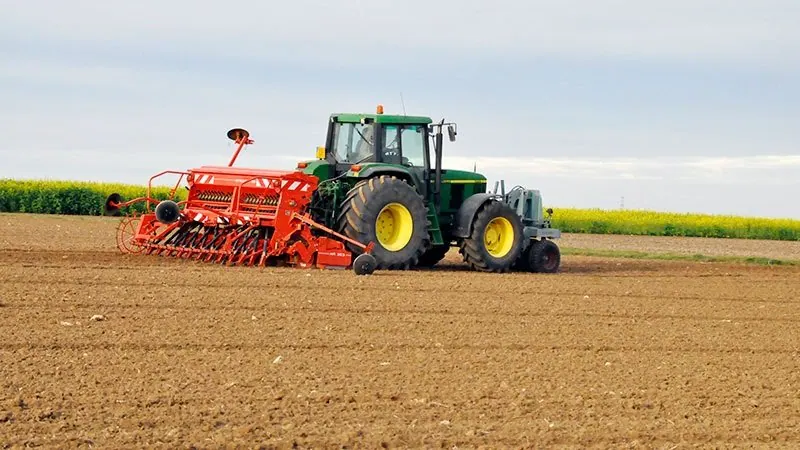
The Kef region in Tunisia has allocated 229,000 hectares for major crops, with a significant 200,000 hectares dedicated to grain cultivation for the 2026-2027 agricultural season. This was announced during a working session held at the governorate, focusing on preparations for the upcoming season. The meeting brought together various stakeholders to discuss the region's agricultural strategy and initiatives to support farmers.
The regional development commission for agriculture in Kef presented an overview of the previous season and preparations for the 2026-2027 season. The session included a presentation by a representative of the Chemical Complex on the importance of chemical fertilizers in agricultural production. Additionally, a comprehensive review of the program to supply the 2026-2027 agricultural season was provided, along with key preparations and an assessment of the market supply during the 2025-2026 season.
The meeting also addressed preparations for providing chemical fertilizers, including securing the region's needs for "ammonitrate" and "triple phosphate." Furthermore, agricultural guidance cells across various delegations in the region have initiated training sessions for farmers, accompanied by field visits and awareness campaigns. These interventions were carried out by technicians at the farm level.
An analysis of seeds has been launched in collaboration with the National Institute for Large-Scale Agriculture, and soil samples were collected for 512 farmers. By September 18, 2026, 362 samples had been analyzed, and agricultural alerts were issued regarding the control of diseases transmitted through grains. These efforts aim to support farmers in improving crop yields and disease management.
The session discussed agricultural indicators and the results of the previous season, as well as the latest preparations for the 2026-2027 season. The focus was on the challenges faced by the agricultural sector in the region and ways to promote investment. Kef Governor, Walid Kebaibia, emphasized the importance of the session, which is part of the efforts to ensure a successful season and enhance food security.
Governor Kebaibia highlighted the crucial role played by banking and financial institutions in supporting the grain system. He noted that files on debt restructuring for some farmers would be studied. The governor also called for easier access to seasonal loans and the strengthening of agricultural insurance mechanisms to mitigate natural risks and ensure the continuity of agricultural activities.
The meeting concluded with an emphasis on the need for coordination among various stakeholders, including the Regional Commission for Agricultural Development, the Grain Office, the Chemical Complex, and the National Institute for Large-Scale Agriculture. This coordination aims to improve the supply of seeds and chemical fertilizers to farmers, particularly small-scale farmers, to ensure the smooth progression of the agricultural season.
Key points
- The Kef region has allocated 229,000 hectares for major crops, with 200,000 hectares dedicated to grain cultivation.
- Preparations for the 2026-2027 agricultural season include securing chemical fertilizers and organizing training sessions for farmers.
- The regional authorities are working to improve access to seasonal loans and strengthen agricultural insurance mechanisms.