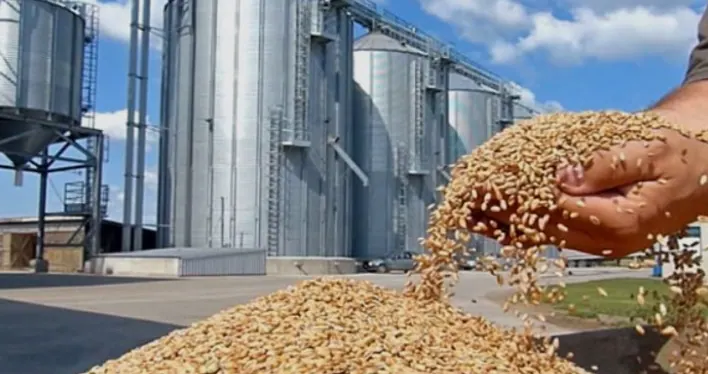
Tunisia's Kairouan governorate is known for its significant production of grains, particularly irrigated grains. The region's fertile land and favorable climate make it an ideal place for farming. With 30,000 hectares of irrigated grain, Kairouan accounts for a substantial portion of the country's total irrigated land. This has opened up new opportunities for the governorate to enhance production and develop related industries.
The governorate's irrigated grain production has been steadily increasing over the years, with yields ranging from 1.2 to 1.3 million quintars annually. This impressive production capacity has created a solid foundation for further development. The local authorities are now exploring ways to add value to the production by investing in food industries such as milling, grain conversion, and pasta production.
To achieve this goal, the authorities are conducting feasibility studies to identify potential investment opportunities and assess the market demand. These studies will help determine the viability of setting up new industries and the potential return on investment. The development of these industries is expected to create new job opportunities, stimulate economic growth, and increase the value added to the sector.
The Kairouan governorate's agricultural sector has the potential to drive economic growth and development in the region. With the right investments and strategies, the sector can become a significant contributor to the local economy. The authorities are working to create an enabling environment for investors, providing them with the necessary support and incentives to invest in the region.
One of the key initiatives is to conduct a detailed feasibility study on the possibility of setting up grain conversion units in the governorate. This study will assess the technical and economic viability of such projects and identify potential challenges and opportunities. The study will also help determine the optimal size and location of such units.
The development of the agricultural sector in Kairouan is also expected to have a positive impact on the local community. The creation of new job opportunities and the stimulation of economic growth are expected to improve living standards and reduce poverty in the region. The authorities are working to ensure that the benefits of this development are shared equitably among the local population.
The Kairouan governorate's experience in irrigated grain production provides a model for other regions in Tunisia. The governorate's success in increasing production and exploring new opportunities for development can be replicated in other areas, contributing to the country's overall economic growth and development.
Key points
- The Kairouan governorate has 30,000 hectares of irrigated grain, accounting for a significant portion of Tunisia's total irrigated land.
- The governorate's irrigated grain production has been steadily increasing, with yields ranging from 1.2 to 1.3 million quintars annually.
- The development of food industries such as milling, grain conversion, and pasta production is expected to create new job opportunities and stimulate economic growth.