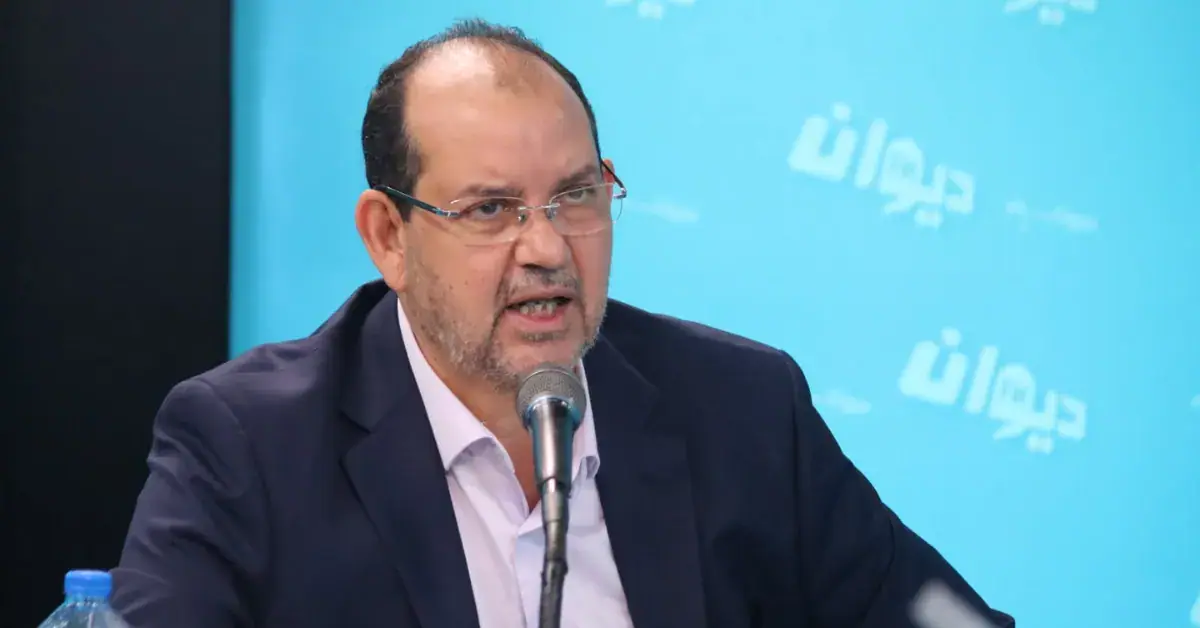
Dr. Lotfi Al-Ziadi, a professor and specialist in communication and public relations at the Institute of Press and News Sciences, has sounded the alarm about the dire situation in Tunisia's journalism sector. He attributes the crisis to a combination of factors, including declining content quality, dwindling professionalism, and growing ethical concerns. According to Dr. Al-Ziadi, the media landscape is facing intense and unhealthy competition due to the proliferation of unqualified individuals in the field.
Dr. Al-Ziadi highlighted the stark contrast between professional journalists and self-proclaimed media personalities or content creators. He emphasized that Tunisian law, specifically Decree 115 of 2011, clearly outlines the requirements for journalists, but these regulations are often not enforced. This has led to a situation where individuals without formal training or journalistic experience are able to encroach on the profession, ultimately compromising the quality and credibility of the media.
The spread of "influencers" and unqualified individuals in the media has significant implications for the sector as a whole. Dr. Al-Ziadi argued that this phenomenon has contributed to a culture of sensationalism and a focus on trivial or provocative content, rather than in-depth reporting and meaningful journalism. He also expressed concern that the exclusion of journalism graduates in favor of unqualified individuals is detrimental to the profession and undermines the public's trust in the media.
In response to these challenges, the Institute of Press and News Sciences is taking steps to adapt to the changing media landscape. Dr. Al-Ziadi noted that the institute is continually updating its academic and digital programs, including the introduction of new master's degrees and certifications, to equip students with the skills they need to succeed in the modern media environment. By producing highly qualified and ethically aware journalists, the institute aims to raise the standards of the profession.
Dr. Al-Ziadi stressed that the solution to the crisis lies not in excluding certain individuals, but in enforcing existing laws and regulations to protect the profession and the public. He emphasized that high-quality, self-produced content is essential for the long-term success and credibility of media institutions. By promoting a culture of professionalism and accountability, Dr. Al-Ziadi believes that the Tunisian journalism sector can recover and thrive.
The crisis in Tunisia's journalism sector has significant implications for the country's democratic development and the public's access to reliable information. Dr. Al-Ziadi's comments highlight the need for urgent action to address the challenges facing the sector and to promote a culture of professionalism and accountability. By working together to enforce existing laws and regulations, stakeholders can help to restore the credibility and integrity of the media.
Ultimately, Dr. Al-Ziadi's call for stricter regulations and greater protection for professional journalists is a timely reminder of the importance of a free and independent press in a functioning democracy. As Tunisia continues to navigate its complex transition, a robust and professional journalism sector is essential for promoting transparency, accountability, and informed public discourse.
Key points
- Dr. Lotfi Al-Ziadi calls for the enforcement of existing laws and regulations to protect the journalism profession and promote high-quality content.