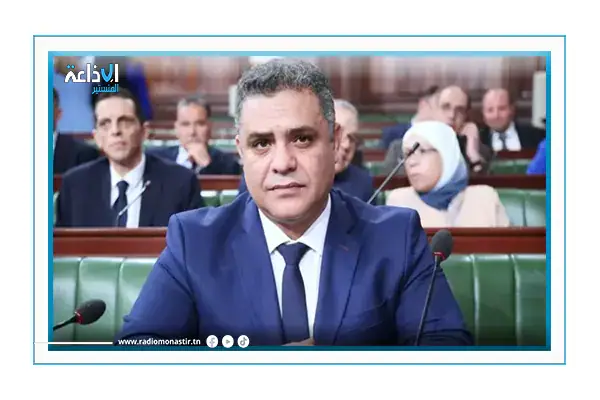
On November 4, 2026, Tunisia's Interior Minister Khalid Al-Nouri outlined the ministry's 2027 strategy, focusing on four main pillars: combating crime, maintaining public security, anticipating and mitigating risks, and addressing natural disasters and climate change. The strategy aligns with the country's broader national goals of comprehensive reform, protecting state sovereignty, and ensuring citizen safety and security.
The strategy is built around five programs, four of which are operational: National Security, National Guard, Civil Protection, and Local Affairs, along with a fifth program for leadership and support. These programs aim to translate the ministry's public policies into tangible actions. The National Security and National Guard programs focus on combating crimes that threaten national security and stability, while the Civil Protection program handles natural disasters and climate change.
The Local Affairs program supports the development and implementation of municipal programs, enhancing their financial and human resources, as well as technical and logistical capacities. This aims to improve citizens' living conditions and bring services and facilities closer to them. The leadership and support program provides oversight and continuous evaluation of these operational programs.
Minister Al-Nouri emphasized that achieving these objectives requires significant financial allocations to ensure the strategy's success. The 2027 budget for the Interior Ministry has been designed to provide the necessary resources for implementing these programs. The strategy is set to unfold over the short, medium, and long term.
The Interior Ministry's efforts extend beyond security, contributing to the country's comprehensive reform process. The ministry aims to create a safe and conducive environment for investment, promoting collective and individual initiatives. This involves upgrading public security services to higher levels of quality and effectiveness.
The strategy's focus on human resources, governance, and modern logistical capabilities highlights the ministry's commitment to adapting to emerging challenges. By investing in its personnel and equipment, the ministry seeks to enhance its field readiness and responsiveness to various threats and crises.
As part of its 2027 plans, the Interior Ministry is set to work closely with local authorities and other stakeholders to ensure the successful implementation of its programs. The ministry's strategic approach reflects a proactive stance on managing security risks and addressing the needs of Tunisian citizens.
Key points
- The strategy focuses on four main pillars: combating crime, maintaining public security, anticipating and mitigating risks, and addressing natural disasters and climate change.
- The Interior Ministry's 2027 strategy is aligned with Tunisia's broader national goals of comprehensive reform and citizen safety.
- The strategy involves significant financial allocations to ensure its successful implementation.