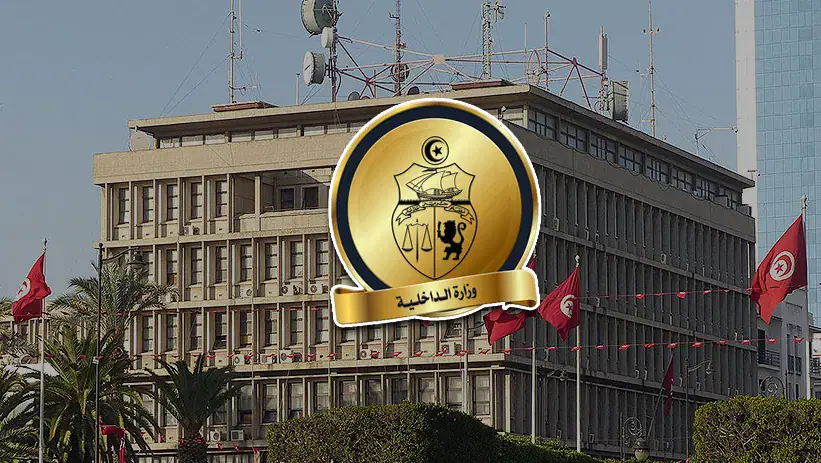
On November 4, 2026, Tunisia's Interior Minister Khalid Al-Nouri outlined the ministry's 2027 strategy, focusing on four main pillars: combating crime, maintaining public security, anticipating and mitigating risks, and addressing natural disasters and climate change. The strategy aims to support local authorities in improving basic services and public facilities while investing in human resources through governance, training, and enhanced field readiness.
Al-Nouri presented the strategy during a joint session of the Defense, Security, and Armed Forces Committee and the Internal Affairs, Immunity, and Legal Matters Committee at the National Council of Regions and Districts. He emphasized that the strategy aligns with Tunisia's major national choices, which prioritize comprehensive reform of state institutions, protecting national sovereignty, and ensuring citizen security and safety.
The Interior Ministry's strategy is built around five programs, four of which are operational: National Security, National Guard, Civil Protection, and Local Affairs. A fifth program focuses on leadership and support, overseeing the translation of public policies. Al-Nouri explained that the National Security and National Guard programs focus on combating crimes that threaten national security and stability.
The Civil Protection program is responsible for addressing natural disasters and climate change to minimize their impact and provide state assistance to citizens nationwide. Meanwhile, the Local Affairs program aims to develop and implement municipal programs within the framework of state unity, enhancing financial and human resources, and technical and logistical capacities.
According to Al-Nouri, achieving these goals requires significant financial allocations to ensure success and implementation. The strategy is a key aspect of the ministry's vision for the short, medium, and long term. The Interior Ministry's efforts extend beyond security, contributing to comprehensive state reform, promoting self-reliance, and ensuring sustainable public finances.
The 2027 budget for the Interior Ministry will support the implementation of these programs, with a focus on enhancing security and public services. This includes the recruitment of new personnel, with 3,900 new positions planned for 2027. The ministry's budget is part of Tunisia's broader efforts to improve public services and infrastructure.
The presentation of the Interior Ministry's 2027 strategy comes amid Tunisia's efforts to address various challenges, including security concerns, economic development, and public service delivery. The strategy is expected to contribute to the country's overall stability and progress.
Key points
- The strategy focuses on four main pillars: combating crime, maintaining public security, anticipating and mitigating risks, and addressing natural disasters and climate change.
- The Interior Ministry's efforts extend beyond security, contributing to comprehensive state reform and promoting self-reliance.
- The 2027 budget will support the implementation of these programs, with a focus on enhancing security and public services.