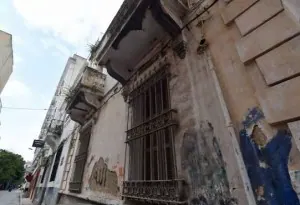
Tunisia's Interior Ministry has announced that it is closely monitoring buildings at risk of collapse across the country. The ministry's central, regional, and local services are working together to identify and assess the risk of buildings that are showing signs of structural weakness. This effort is being led by the ministry's regional and local services, which are responsible for conducting on-site assessments and taking preventative measures.
The ministry's efforts are focused on several key regions, including the Greater Tunis area and the municipalities of Tunis City and Bab Souika. According to the ministry, the city of Tunis has already begun to identify buildings that are at risk of collapse and has set up a system to categorize and prioritize these buildings based on their level of risk. This information is being used to inform building owners and to take steps to mitigate the risk of collapse.
In response to a written question from MP Amal Al-Moaddeb, the ministry provided an update on the status of buildings at risk of collapse in the Bab Amer neighborhood of Tunis City. The ministry reported that the Tunis municipality has established a team to assess the risk of buildings in the area and to take steps to prevent collapse. This team is working in accordance with a 2024 law that outlines the procedures for identifying and addressing buildings at risk of collapse.
The ministry has also established a rapid intervention team to respond to emergencies and to take preventative measures to prevent building collapses. This team is equipped with the necessary equipment and resources to respond quickly and effectively in the event of a building collapse or other emergency. The team is working in coordination with other authorities and stakeholders to ensure a rapid and effective response.
According to the ministry, the rapid intervention team operates using two main mechanisms. The first involves immediate intervention to mitigate the risk of collapse and to clear debris in the event of a sudden collapse. The second involves proactive intervention to demolish parts of buildings that are at risk of collapse and pose an imminent danger. The team operates on a daily basis and works in coordination with other stakeholders to prioritize interventions.
The ministry has also emphasized its commitment to providing the necessary resources and equipment to support the rapid intervention team. This includes providing access to specialized equipment and resources, as needed, to ensure that the team can respond effectively to emergencies. The ministry has also highlighted the importance of collaboration and coordination with other stakeholders, including local authorities and building owners.
Overall, the Interior Ministry's efforts to monitor and address buildings at risk of collapse are aimed at protecting public and private property and preventing harm to individuals. The ministry's proactive approach is designed to identify and mitigate risks before they become major problems. By working in coordination with other stakeholders, the ministry aims to reduce the risk of building collapses and to ensure public safety.
Key points
- The Interior Ministry has established a rapid intervention team to respond to emergencies and take preventative measures to prevent building collapses.
- The team operates using two main mechanisms: immediate intervention and proactive intervention.
- The ministry is working in coordination with other stakeholders to prioritize interventions and provide necessary resources and equipment.