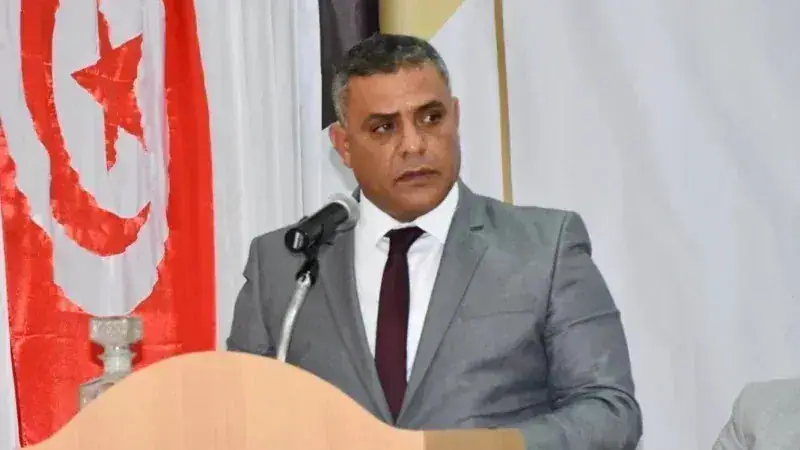
Tunisia's Interior Minister, Khaled Nouri, has revealed the strategic axes for his department's 2027 plan. The plan is built around four main pillars: combating all forms of crime and preserving public order, anticipating and reducing risks, managing natural disasters and climate change impacts, and supporting local authorities to improve essential public services. This strategy aims to promote good governance, training, and promptness of various units.
The strategic plan presented by Nouri during a joint session of the Assembly of People's Representatives and the National Council of Regions and Districts, focuses on investing in human resources. This includes promoting good governance, training, and strengthening the responsiveness of different units. The plan also relies on highly qualified and operational human resources, modern logistical means, and state-of-the-art equipment.
The Interior Minister emphasized that his department's action goes beyond security aspects, as it is part of a comprehensive process of state reform. This process is based on the principle of national autonomy and preserving the sustainability of public finances. The goal is to establish a safe environment conducive to investment, encourage individual and collective initiatives, and improve the quality and effectiveness of public security services.
To achieve these objectives, the ministry has structured its mission around five programs, four of which are operational. These include national security, National Guard, Civil Protection, and local affairs. A fifth program, dedicated to piloting and support, ensures the coordination and implementation of public policies. The national security and National Guard programs focus on combating offenses that threaten the country's security and stability.
The Civil Protection program is responsible for dealing with natural disasters and climate change impacts. Its goal is to limit the consequences of these events and provide emergency services to all citizens, regardless of their place of residence. The local affairs program aims to support municipalities in developing and implementing their programs. This is done while respecting the unity of the state and strengthening their financial and human resources.
The program for local affairs seeks to improve citizens' living conditions and bring public services and equipment closer to the population. The fifth program, related to piloting and support, is tasked with supporting operational programs through foresight, strategic planning, and continuous monitoring and evaluation of their implementation.
Nouri stressed that achieving these objectives requires the mobilization of significant financial resources. These resources are essential for implementing the strategic orientations of his department in the short, medium, and long term. The minister's presentation was part of a broader effort to engage in a comprehensive reform of state institutions, preserve national sovereignty, and ensure citizens' security and integrity.
Key points
- The plan focuses on four main pillars: crime prevention, risk reduction, disaster management, and public service improvement.
- The strategy relies on highly qualified human resources, modern logistical means, and state-of-the-art equipment.
- The plan aims to establish a safe environment conducive to investment and improve public security services.