According to the National Institute of Statistics (INS), Tunisia's inflation rate rose to 5.6% in September 2026, its highest level since March 2025. This increase is largely attributed to the food sector, which saw a 8.4% rise over the past year, compared to 5.7% in September 2025. The food sector contributed 2.43 points to the overall inflation rate of 5.63%, accounting for 43% of the total increase.
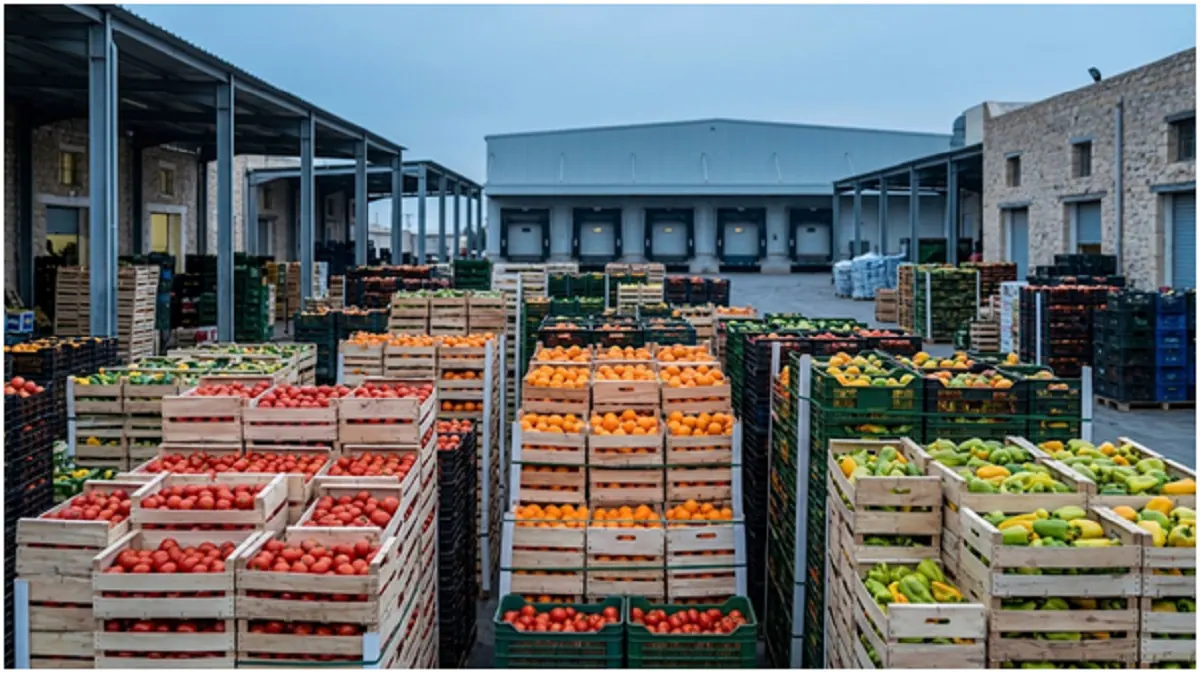
A breakdown of the food sector reveals a significant disparity between agricultural products and processed food products. Agricultural products saw a 13.0% increase over the past year, while processed food products rose by only 1.8%. This trend is consistent over the first nine months of the year, with agricultural products increasing by 11.7% and processed food products by 1.3%. The INS data also shows that fruits, vegetables, and fish were among the products with the highest price increases.
The price increase in agricultural products is attributed to various factors, including the circuits of distribution, the weight of intermediaries, and the agricultural supply. In contrast, the prices of processed food products are largely influenced by the state's price controls. Products such as bread, semoule, sugar, and milk have price ceilings, which has helped to limit their price increases.
The impact of price controls is evident in the data, with products with free prices increasing by 6.8% over the past year, while products with controlled prices rose by only 1.2%. In the food sector, the disparity is even more pronounced, with free food products increasing by 9.4% and controlled food products by 0.2%.
The inflation rate for products outside of food is also a concern, with manufactured products increasing by 4.8% over the past year and clothing by 9.2%. The services sector saw a 4.2% increase. However, the agro-food industry has been able to keep prices relatively stable due to state controls.
Despite the current inflation rate being lower than the 5.50% recorded in 2025, the trend is a cause for concern. The annual inflation rate has increased from 4.85% in January to 5.63% in September, and prices have risen by 4.56% since December 2025, compared to 3.87% over the same period in 2025.
The rising inflation rate is a challenge for Tunisia, as it affects the purchasing power of consumers. The situation is being closely monitored, and the government may need to take measures to address the issue, particularly in the food sector, where prices are increasing rapidly.
Key points
- Tunisia's inflation rate rose to 5.6% in September 2026, driven by a significant increase in food prices.
- Agricultural products saw a 13.0% increase over the past year, while processed food products rose by only 1.8%.
- The state's price controls have helped to limit price increases in certain products, but the trend is a cause for concern.