The Dar Hussein palace and Husseinite Tombs in Tunisia's ancient city have been inscribed on the Arab architectural and urban heritage list by the Arab League for Education, Culture and Sciences (ALKSCO). This recognition highlights the cultural and historical significance of Tunisia's heritage and its Arab radiance. The inscription was made during the 11th meeting of the Arab Architectural and Urban Heritage Observatory, held in Cairo from October 25-27, 2026.
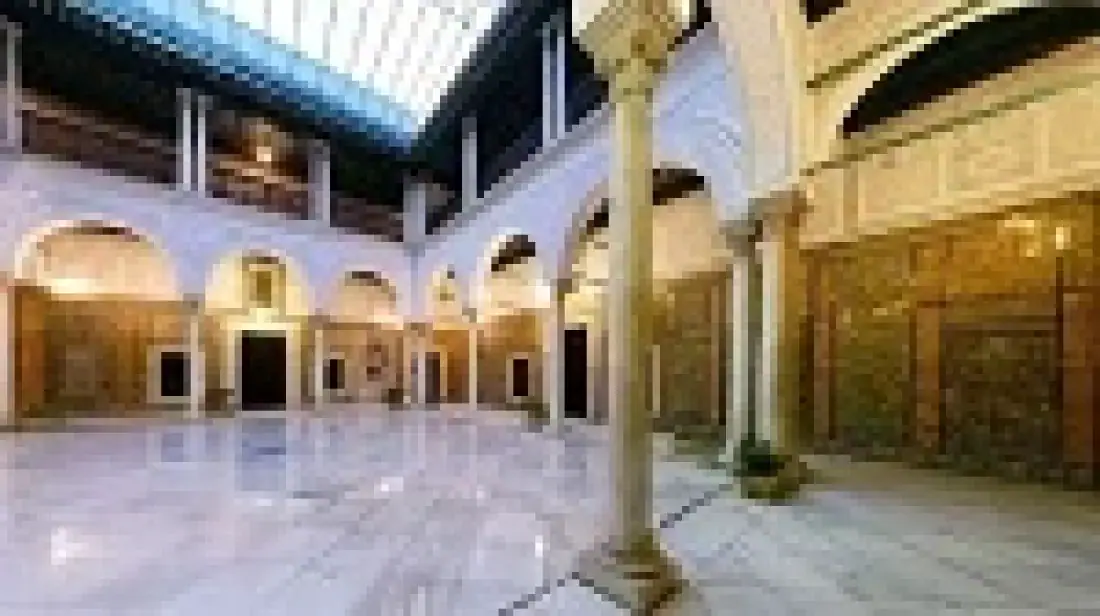
The inscription is a significant cultural and historical achievement, showcasing Tunisia's rich heritage and its importance in the Arab world. The Dar Hussein palace, which houses the National Heritage Institute, is a prime example of traditional architecture in the ancient city, featuring distinctive architectural and decorative elements that reflect Tunisia's urban heritage. The Husseinite Tombs are a historical and funerary monument of great value, documenting a significant aspect of Tunisia's history during the Husaynid period.
The recognition by ALKSCO acknowledges the value of Tunisia's historical landmarks and their significance in the country's cultural memory. The ancient city of Tunis is considered a living space for national memory and a reflection of the country's accumulated cultural and historical heritage. The inscription also highlights the importance of preserving and promoting Tunisia's cultural heritage, both nationally and internationally.
The Ministry of Cultural Affairs emphasized that the inscription goes beyond mere recognition, as it also aims to promote the sites within the Arab cultural landscape and support efforts to document, preserve, and valorize them. This recognition also provides an opportunity to enhance cooperation and exchange of expertise between Arab countries in the fields of restoration, maintenance, and management of historical sites.
The inscription is expected to boost cultural tourism and highlight the unique architectural features of the ancient city of Tunis, reinforcing the connection between preserving cultural heritage and sustainable cultural development. The Ministry of Cultural Affairs stressed that this achievement is part of the ongoing efforts of the National Heritage Institute to preserve and promote Tunisia's cultural heritage.
The Dar Hussein palace and Husseinite Tombs are not only significant cultural and historical landmarks but also important components of Tunisia's identity. Their inscription on the Arab architectural and urban heritage list is a testament to the country's rich cultural heritage and its contribution to the Arab world's cultural landscape.
The recognition by ALKSCO is a significant achievement for Tunisia, highlighting the country's commitment to preserving its cultural heritage and promoting its cultural identity. The inscription is also expected to have a positive impact on the country's cultural and economic development, as it promotes cultural tourism and highlights the importance of preserving cultural heritage.
Key points
- Tunisia's Dar Hussein palace and Husseinite Tombs inscribed on Arab architectural heritage list.
- Recognition highlights cultural and historical significance of Tunisia's heritage.
- Inscription expected to boost cultural tourism and promote cultural heritage preservation.