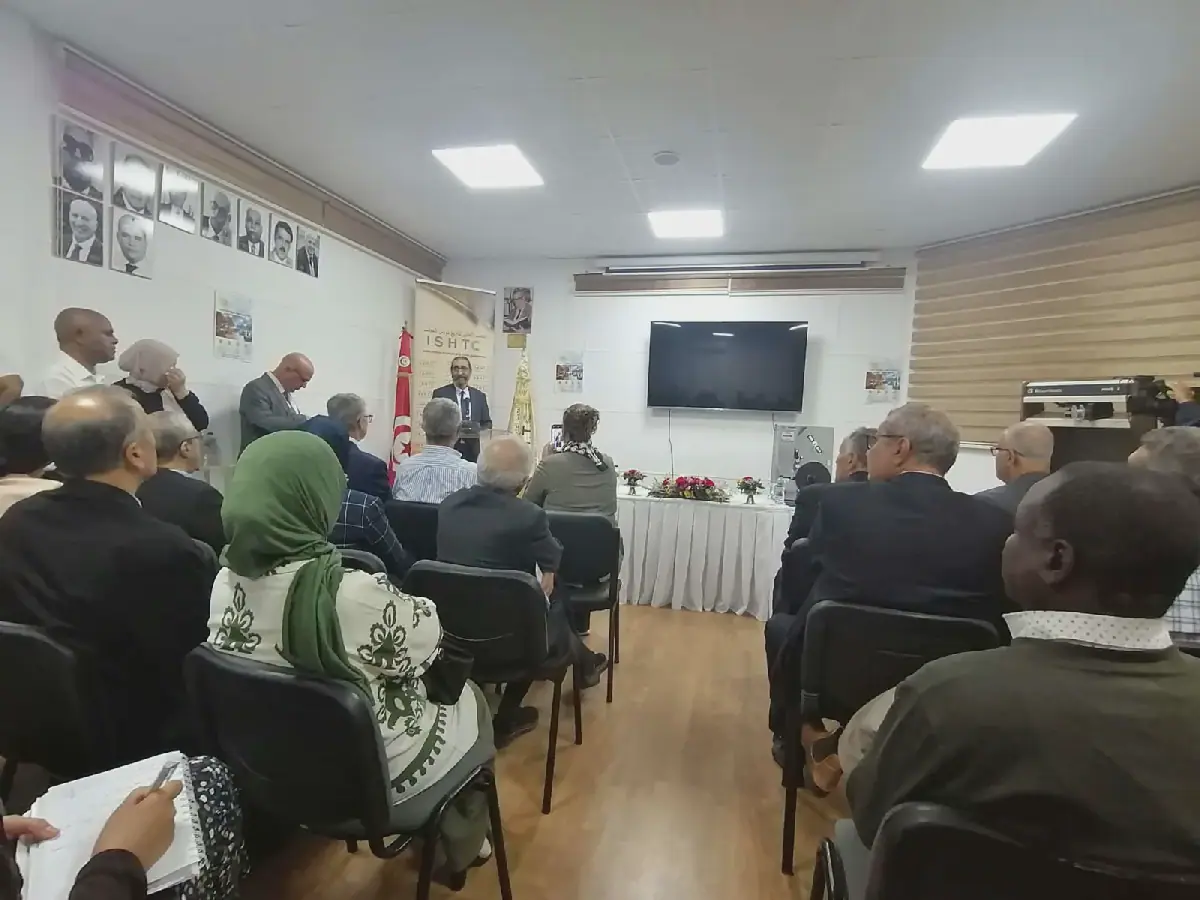
The Institut supérieur de l'histoire de la Tunisie contemporaine (ISHTC) in Tunisia has officially launched a microfilm digitization project, marking a significant step in preserving the country's history. The initiative, described as "historic" by ISHTC director Khaled Abid, aims to safeguard a crucial part of Tunisia's national memory. The project is a result of collaboration between the ISHTC and the Archives nationales de Tunisie.
The digitization project involves the conversion of approximately 3,300 microfilm reels, each containing between 300 and 1,000 pages of filmed documents. These microfilms were transferred to the ISHTC after being recovered from French authorities in the 1980s. The physical condition of the microfilms, which are over 40 years old, poses a risk of deterioration with frequent consultation, making digitization a pressing necessity.
The project aims to facilitate access to these historical documents for researchers, both locally and remotely, significantly reducing the time required for research. Khaled Abid expressed his gratitude for the close collaboration with the Archives nationales de Tunisie in this ambitious project. The ISHTC also plans to index the "Rawafed" journal, with an official announcement expected within two months.
The Archives nationales de Tunisie have played a crucial role in the recovery and preservation of Tunisia's archives. Director General Hédi Jallab recalled that in 2005, his institution initiated the transfer and maintenance of the master microfilm reels to the Centre national universitaire de documentation scientifique et technique (CNUDST). The Archives nationales have also been instrumental in repatriating significant portions of Tunisia's archives from France.
The recovered archives include documents from the Résidence générale de France, which were not produced by the Tunisian administration but were seized during the protectorate period. Experts and historians traveled to France to retrieve these documents at the expense of the Tunisian state, which also covered the cost of reproducing them on microfilm.
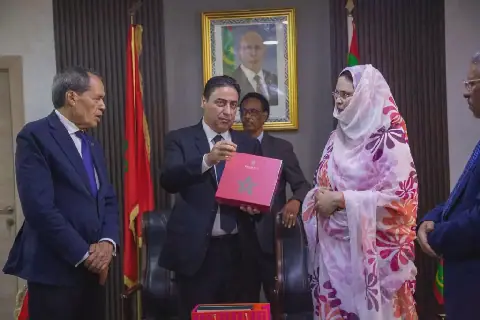
The launch event was attended by numerous historians, experts, and educators from the ISHTC, as well as the president of the Université de La Manouba, Ameur Cherif, and officials from national institutions. A partnership protocol was signed between the ISHTC and the Centre des musiques arabes et méditerranéennes, Ennejma Ezzahra, further solidifying collaboration in the preservation of Tunisia's cultural heritage.
The ISHTC's archives comprise over 10,000 documents and numerous recorded testimonies since 1992, with plans to digitize these materials in the future. The digitization project is a significant milestone in Tunisia's efforts to preserve its history and make it more accessible to researchers and the public.
Key points
- The project aims to digitize 3,300 microfilm reels to preserve Tunisia's national memory.
- The collaboration between ISHTC and Archives nationales de Tunisie facilitates access to historical documents for researchers.
- The project also includes plans to index the "Rawafed" journal and digitize additional archival materials.
Reporting sources
- Numérisation des microfilms : un lancement « historique » à l’ISHTC · realites.com.tn