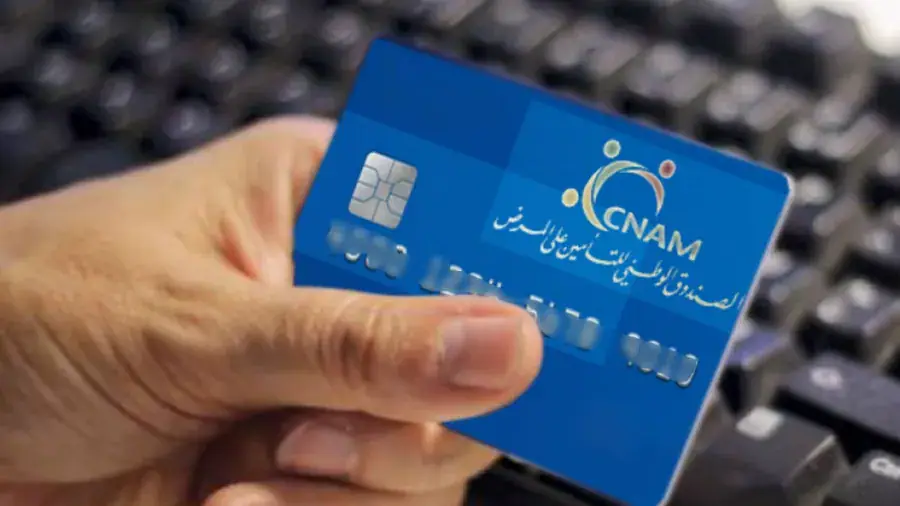
Tunisia's Minister of Social Affairs, Issam Al-Ahmar, has announced that the implementation of the "Labas" health card is expected to be completed by mid-2027. The card, which was first introduced in 2019, aims to replace traditional paper-based health cards and provide better access to healthcare services for citizens. The minister made the announcement during a joint session to discuss the ministry's tasks and priorities.
The "Labas" health card is an electronic card that contains the holder's name, surname, and a QR code that links to their electronic health data. This allows healthcare providers to access the individual's health information directly, providing a more comprehensive understanding of their medical history. The card is expected to improve the management of healthcare expenditures and enhance the overall quality of healthcare services in Tunisia.
The introduction of the "Labas" card is part of a broader effort to digitalize and improve the governance of healthcare services in Tunisia. The minister emphasized that the implementation of the card will be accompanied by measures to strengthen governance and digitalization, ensuring that the healthcare system is more efficient and effective. This move is expected to have a positive impact on the country's healthcare sector, which has faced challenges in recent years.
The National Health Insurance Fund has assured that the personal data of insured individuals is fully secured. The fund has taken measures to protect the confidentiality and integrity of the data, ensuring that it is not compromised or accessed unauthorized. This is crucial, as the "Labas" card will contain sensitive health information that must be protected.
The "Labas" card has been distributed to some citizens since its introduction in 2019, but its implementation has not been completed yet. The card is expected to provide better access to healthcare services and improve the overall quality of care. It will also help to reduce the use of paper-based health cards, which can be lost or damaged, and provide a more secure and efficient way of managing health information.
The implementation of the "Labas" card is a significant step towards improving the healthcare system in Tunisia. The card is expected to have a positive impact on the lives of citizens, providing them with better access to healthcare services and improving the overall quality of care. The government has emphasized its commitment to improving the healthcare sector and ensuring that citizens have access to quality healthcare services.
The completion of the "Labas" card implementation is expected to be a major milestone in Tunisia's efforts to improve its healthcare system. The government has set a target of mid-2027 to complete the implementation, and efforts are underway to ensure that the card is rolled out to all citizens. The "Labas" card is expected to be a key tool in improving healthcare services and enhancing the overall quality of life for Tunisian citizens.
Key points
- The "Labas" health card will be fully implemented by mid-2027.
- The card aims to enhance governance and digitalization in healthcare.
- The card will provide better access to healthcare services and improve the overall quality of care.
Reporting sources
- بطاقة "لاباس".. متى ينطلق العمل بها؟ · Assabah News