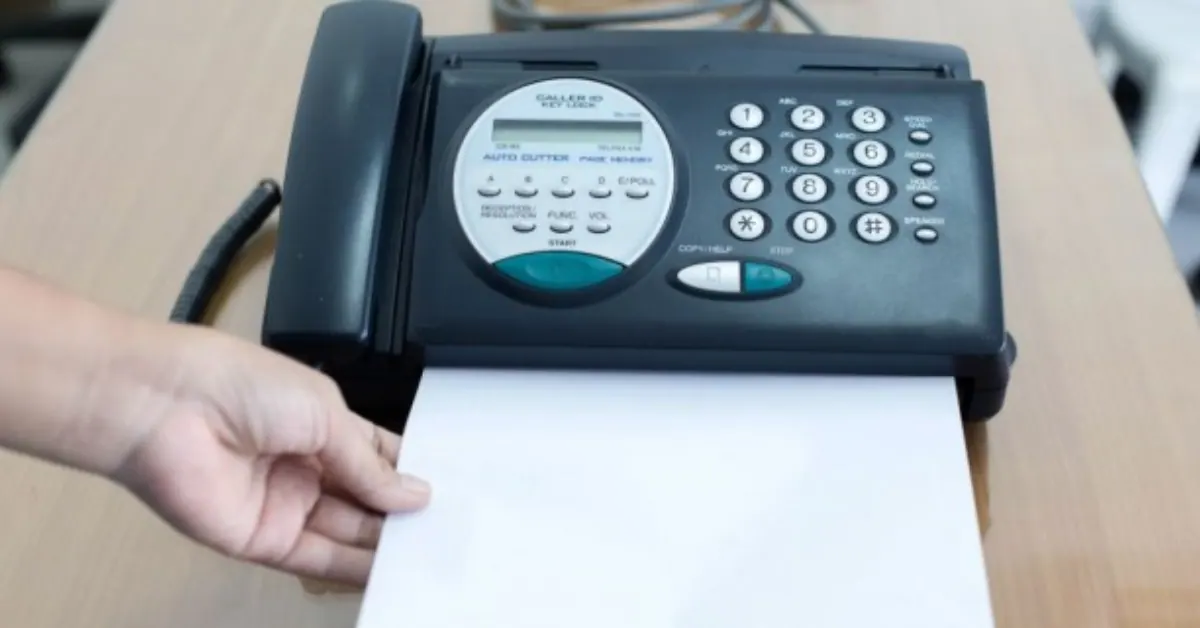
The Tunisian government's presidency has announced plans to gradually discontinue the use of fax machines, citing the need for technical and organizational readiness. According to the electronic administration unit, the phase-out is linked to the completion of technical and organizational readiness of public institutions, provision of infrastructure, and the generalization of secure professional email. This move is part of a broader effort to transition to a fully digital administration.
The transition to a digital administration requires a gradual approach, taking into account the varying levels of readiness among central, regional, and local structures. The government aims to ensure a comprehensive and sustainable digital transformation, enhancing the efficiency of administrative work. This approach will enable the government to provide better services to citizens and businesses.
The government is working to implement a secure electronic exchange of correspondence and administrative documents, reducing the use of traditional means. The "Alissa" system for secure electronic management has been adopted, along with the promotion of electronic signatures and seals. The government is also providing training and technical support to public institutions to facilitate this transition.
The "Alissa" system is designed to reduce paper documents, streamline correspondence processing, and accelerate file handling. It also enhances monitoring and tracking, ensuring the security and confidentiality of administrative documents. This system is a key component of the government's efforts to modernize public administration and improve service delivery.
The government's policy on digital transformation is aligned with strategic objectives to modernize public administration, improve service quality, and enhance efficiency and transparency. The use of information and communication technologies will simplify administrative procedures and develop digital services. This policy is enshrined in the 2026/2030 development plan, which highlights the importance of digital transformation as a driver of economic and social development.
The development plan, approved by law in July 2026, emphasizes the need for digital transformation to improve public service performance. The plan aims to leverage digital technologies to enhance the efficiency and effectiveness of public institutions. By investing in digital infrastructure and promoting e-government services, the government hopes to improve the business environment and promote economic growth.
The gradual discontinuation of fax usage is part of a broader effort to modernize public administration and promote digital transformation. The government is working to create a reliable and secure digital environment for electronic exchanges, ensuring the integrity and confidentiality of administrative documents. This move is expected to enhance the efficiency and effectiveness of public services, improving the overall quality of life for Tunisian citizens.
Key points
- The Tunisian government plans to phase out fax usage as part of its digital transformation efforts.
- The transition to digital administration will be gradual, taking into account varying levels of readiness among public institutions.
- The "Alissa" system has been adopted to facilitate secure electronic exchanges and reduce paper documents.