The Goundouba region in Tunisia is gearing up for the 2026-2027 agricultural season. According to Lotti Jamazi, head of the Regional Union of Agriculture and Maritime Fishing, the region plans to cultivate around 82,000 hectares of grain. This represents a slight decrease from the 85,000 hectares cultivated during the previous season. The region's agricultural sector is a significant contributor to the country's economy.
The previous season saw the collection of around 34,000 quintals of high-quality seeds, which were delivered to the Grain Office. For the upcoming season, the region's needs for high-quality seeds are estimated at around 95,000 quintals, with approximately 63,000 quintals already secured. The region's farmers are optimistic about the upcoming season, but they do face some challenges.
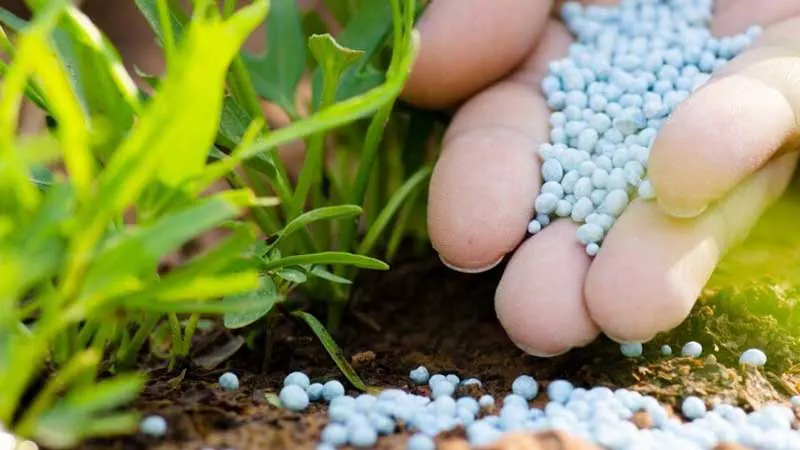
One of the main concerns for farmers in the region is the availability of fertilizers, particularly DAP. The Tunisian Chemical Complex has experienced a decline in production, affecting the supply of fertilizers to farmers. As an alternative, farmers can use "Super 45" to cover part of their needs, but they are eagerly awaiting an improvement in the supply of DAP.
Another issue affecting farmers in the region is the payment of outstanding financial claims from the previous season. According to Jamazi, these claims represent a significant concern for producers as the new planting season approaches. However, he noted that there are promises that these claims will be paid within a period of one to ten days.
The region's sugar beet sector is also showing signs of growth, with around 700-800 hectares cultivated during the previous season. There is a push to develop this sector and expand the areas under contract. Awareness campaigns and information days have been organized to promote this crop and encourage farmers to participate.
The olive sector in the region is also significant, with around 30,000 hectares of olive trees, including 4,000 hectares dedicated to table olives and 26,000 hectares for olive oil production. Farmers are preparing to receive the harvest, and initial indicators suggest a promising season.
The disposal of pomace, a byproduct of olive oil production, is another issue that needs to be addressed. The region lacks sufficient collection facilities, and there is a need to create specialized basins to accommodate this material. Jamazi suggested that pomace could be used as an organic fertilizer in agriculture, provided that technical and environmental standards are respected.
Key points
- The Goundouba region plans to cultivate 82,000 hectares of grain during the 2026-2027 agricultural season.
- The region's farmers are concerned about the availability of fertilizers and the payment of outstanding financial claims.
- The region's agricultural sector is a significant contributor to the country's economy.