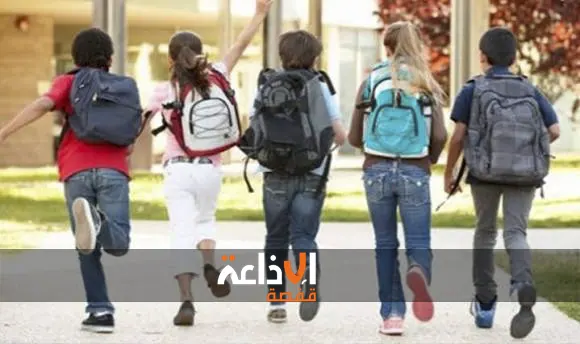
The Regional Delegation for Family, Women, Childhood, and Elderly Affairs in Gafsa, Tunisia, has announced that it will provide financial support to 160 children under state care in the region. This initiative is part of the back-to-school program and totals 120,000 Tunisian dinars. The aim is to assist these children as they begin their new academic year.
In addition to financial aid, the delegation is also focusing on early childhood education. A total of 1,750 children under school age will be integrated into special nurseries as part of the "Our Nursery in Our Neighborhood" program. This initiative seeks to provide a supportive educational environment for young children in the region.
The Regional Delegate for Family, Women, Childhood, and Elderly Affairs in Gafsa, Zohour Al-Ajami, highlighted the importance of these initiatives. She emphasized that they are part of a broader strategy to support families and children in the region. The programs aim to improve educational outcomes and provide economic opportunities for families.
Another initiative, the Economic Empowerment Program for Mothers of Children at Risk of Dropping Out of School, has also achieved significant results. The program has provided developmental projects for 36 women, with a total budget of approximately 267,000 Tunisian dinars. The goal is to provide these women with sustainable sources of income.
These initiatives reflect the Tunisian government's efforts to address social and economic challenges in the Gafsa region. By supporting education and economic empowerment, the government aims to improve living standards and opportunities for residents. The programs also highlight the importance of collaboration between government agencies and local communities.
The Gafsa region has been focusing on various development projects. For example, the Professional Sectoral Center for Palm Cultivation in Dqash has recently opened its new training year. The center offers courses in continuous training, specifically in the production of vegetables under greenhouses. Such initiatives contribute to the region's economic diversification and skill development.
Meanwhile, other parts of Tunisia have been experiencing various weather and environmental conditions. For instance, the Sidi Bouzid region received 55 millimeters of rain in 24 hours, which may help with agricultural activities. In contrast, the Kasserine region has seen a decrease in water levels in its wadis, and traffic has returned to normal.
Key points
- The Gafsa region's initiatives aim to support 160 children under state care with financial aid and integrate 1,750 young children into special educational programs.
- The Economic Empowerment Program for mothers has provided projects for 36 women, aiming to enhance their economic stability.
- These programs are part of broader efforts to improve education and economic opportunities in the region.