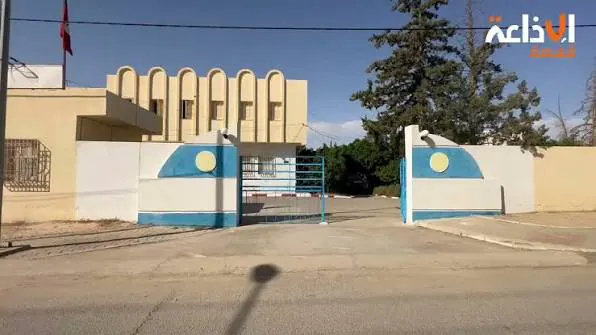
The vocational training year has officially begun in the Gafsa region of Tunisia, with 10 private institutions commencing operations on September 17. This marks the start of the 2026-2027 academic year, with some new and specialized programs set to begin in October. These institutions offer various training programs to enhance skills and employability in the region.
According to the Regional Director of Employment and Vocational Training in Gafsa, Mohamed Sniha, the 10 private vocational training institutions in the region have a combined annual capacity of 550 trainees. These institutions provide training in 17 different specialties across three qualification levels. This initiative aims to address the demand for skilled workers in various industries.
One of the new additions to the vocational training offerings in Gafsa is a program focused on "life accompaniment." This program has reportedly garnered significant interest from trainees. The introduction of such programs reflects the evolving needs of the job market and the aspirations of young individuals in the region.
The launch of the vocational training year in Gafsa is part of a broader effort to enhance employability and support economic development in the region. By providing a range of training programs, the initiative seeks to equip young people with the skills required to access the job market and contribute to the local economy.
The Gafsa region's vocational training institutions are designed to cater to the needs of the local job market. With a focus on practical skills and qualifications, these programs aim to bridge the gap between education and employment. This approach is expected to have a positive impact on the region's economic prospects and youth employment rates.
The development of vocational training in Gafsa is also reflective of the Tunisian government's efforts to promote economic growth and reduce unemployment. By investing in vocational training, the government aims to create a more skilled and competitive workforce, capable of driving economic progress.
As the new academic year progresses, the impact of these vocational training programs on the Gafsa region and its residents will be closely monitored. With a focus on meeting the needs of the job market and enhancing employability, these initiatives hold promise for the future of young people in the region.
Key points
- The Gafsa region's 10 private vocational training institutions have a combined annual capacity of 550 trainees.
- The institutions offer training in 17 different specialties across three qualification levels.
- A new program focused on "life accompaniment" has been introduced, reflecting the evolving needs of the job market.