The municipality of Al-Hama in Tunisia's Gabes governorate is set to undertake a smart lighting project at a cost of over 1.6 million dinars. The project encompasses various components, including "LED" lamps, an intelligent control system, and smart meters. This initiative is part of a broader effort to modernize public services and improve energy efficiency. The smart lighting system will enable the municipality to remotely monitor and control the lighting network.
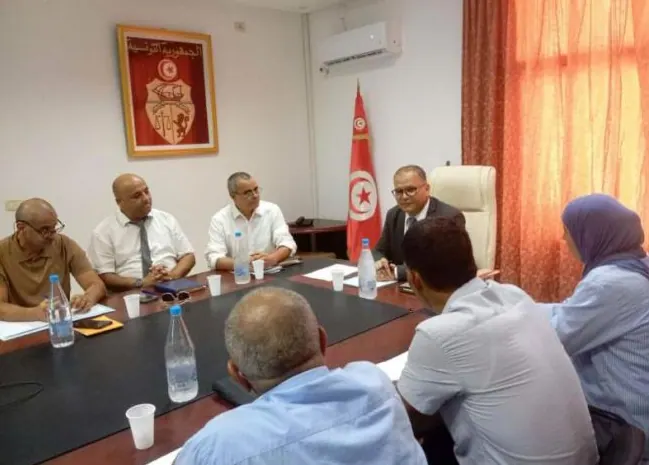
The smart lighting project was presented during a working session held at the Gabes governorate office, chaired by Governor Radwan Nasibi. The meeting was attended by several members of the National Council for Regions and Districts, as well as representatives from the Tunisian Electricity and Gas Company. The governor emphasized the importance of this project, highlighting its potential to reduce municipal expenses and improve the quality of public services.
The smart lighting system is designed to transition from a traditional network to a digital and interconnected system. This will allow the municipality to monitor and control the lighting network remotely, optimizing energy consumption and reducing costs. The project is expected to have a positive impact on the region, contributing to the country's efforts to achieve a successful digital transformation and energy transition.
The implementation of smart lighting in various municipalities across the governorate is seen as a crucial step towards achieving these goals. By adopting this technology, municipalities can reduce their expenses, improve the quality of public lighting, and contribute to a more sustainable future. The project is also expected to enhance the overall quality of life for residents in the region.
The Tunisian government has been promoting the adoption of smart technologies in various sectors, including energy and infrastructure. This project in Gabes governorate is part of a broader effort to modernize public services and improve the efficiency of municipal operations. The use of smart technologies is expected to play a key role in Tunisia's efforts to achieve sustainable development and reduce its environmental footprint.
The smart lighting project in Al-Hama municipality is expected to serve as a model for other municipalities in the region. By demonstrating the benefits of smart lighting, the project aims to encourage other municipalities to adopt similar technologies, contributing to a wider transformation of public services in Tunisia. The project's success will depend on effective implementation and the ability to replicate it in other regions.
The project's implementation is expected to be completed in the near future, with the municipality working closely with relevant stakeholders to ensure its success. The use of smart lighting is seen as a key component of Tunisia's efforts to improve the efficiency of its public services and reduce its environmental impact. The project's outcomes will be closely monitored, with a view to replicating its success in other regions.
Key points
- The project aims to reduce municipal expenses and improve the quality of public lighting.
- The smart lighting system will enable remote monitoring and control of the lighting network.
- The project is part of Tunisia's efforts to achieve a successful digital transformation and energy transition.