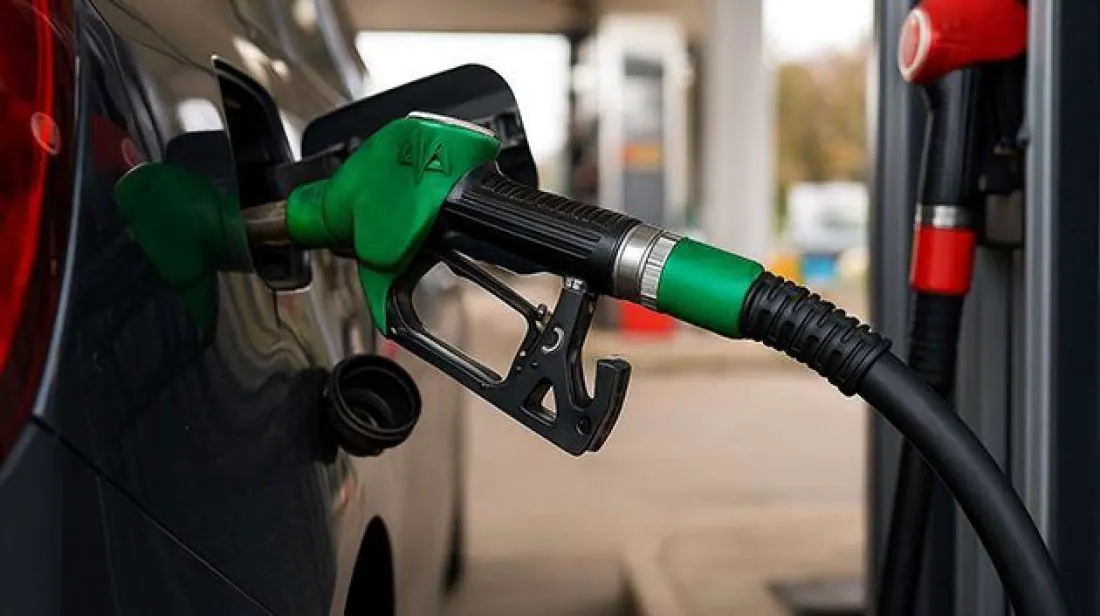
The National Chamber of Hazardous Materials Transport and the National Transport Union, affiliated with the Tunisian Confederation of Industry, Commerce, and Traditional Industries, have announced that fuel distribution companies, fuel transport companies, and fuel sales stations are working to supply stations with necessary quantities and continue their activities on September 23 and 24, 2026.
This announcement comes after the General Union of Petroleum and Chemical Materials, affiliated with the Tunisian General Labor Union, issued a warning of a strike in the fuel transport sector on September 23 and 24, 2026, citing what it considered to be a lack of progress in dialogue and unresolved labor rights issues.
The National Chamber of Hazardous Materials Transport and the National Transport Union stated that fuel transport companies had not received any lawful strike notice in accordance with the provisions of Article 376 of the Labor Code and considered any work stoppage or disruption to truck traffic to be an unlawful act.
The institutions in the sector respect existing laws in the field of social coverage, declare their employees, and ensure their occupational safety in accordance with international standards. They also pointed out that difficulties faced by only two companies led to delays in paying contributions to the Social Security Fund, which does not justify a strike that would impact the market and economic activity.
The Chamber and the National Transport Union reported that the situation of the two companies with the Fund has been resolved. They also stated that the demand by the General Union of Petroleum and Chemical Materials to activate the minutes of the meeting on May 2, 2019, is unfounded, as it was withdrawn and canceled more than seven years ago.
Companies in the sector have committed to paying the agreed-upon legal increases for the years 2018-2019 and the three-year increase program for the period 2022-2024, as well as the increases determined by presidential decrees on April 30, 2026, which concern the period 2026-2028.
All revisions to transport tariffs, through the geographic adjustment mechanism, have been directed towards financing wage increases and fuel, but are considered insufficient to cover costs and sector demands. The social dialogue between companies and their employees has not been interrupted at the institutional level to address any difficulties that may arise.
Key points
- Companies in Tunisia's fuel transport sector will continue operations despite a planned strike.
- The strike is over labor rights issues and what is considered a lack of progress in dialogue.
- The sector's institutions claim to have committed to paying agreed-upon wage increases.