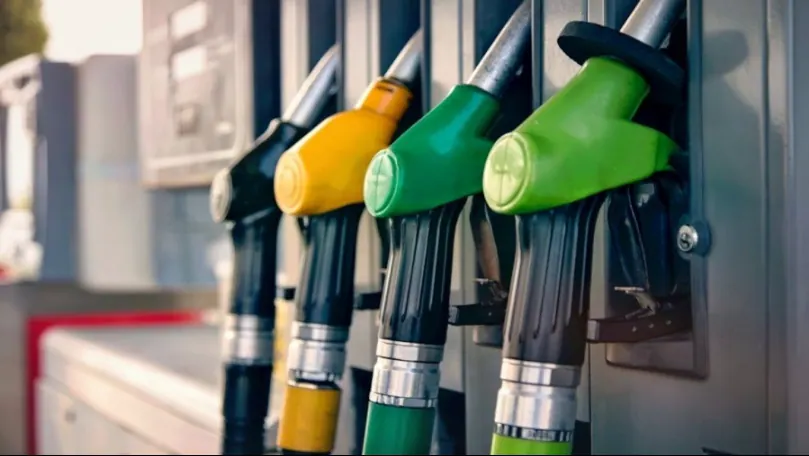
According to the Tunisian Ministry of Finance's report on budget execution up to June 2026, fuel subsidy expenditures reached TND 2,427 million, while investment spending totaled TND 1,665 million. This represents a significant increase in fuel subsidy expenditures, mainly due to the rise in global oil prices. The report highlights that the average price of a barrel of oil reached $92.6 by the end of June 2026.
The report also reveals that total subsidy expenditures, including fuel, increased by 12% to TND 3,486 million in the first half of 2026. This represents 35.7% of the estimated annual subsidy expenditures, as per the finance law. The increase in subsidy expenditures is attributed to the rise in global oil prices and the government's efforts to mitigate its impact on the economy.
The Tunisian government's budget execution report shows that total budget expenditures reached TND 24,917 million, representing a 8.9% increase compared to the same period in 2025. The report highlights that 48.2% of the estimated annual appropriations for wage and salary expenditures have been disbursed, totaling TND 12,184 million. This increase is mainly due to the implementation of the first tranche of wage and salary increases in the public sector.
The report also notes that operating expenditures reached TND 760 million, representing a 1.3% increase compared to the same period in 2025. This represents 25.9% of the estimated annual operating expenditures. The government aims to control operating expenditures, according to the Ministry of Finance.
The report highlights that intervention expenditures, which include social transfers, increased by 14.8% to TND 6,574 million. Social transfers, which aim to improve income distribution and reduce poverty, reached TND 2,221 million, representing 47.6% of the estimated annual appropriations. This represents a 24.1% increase compared to the same period in 2025.
The report also reveals that development expenditures, which include investment and project financing, reached TND 2,533 million. This represents 21.2% of the estimated annual development expenditures. The Ministry of Finance attributes the low execution rate to the specific nature of development spending, which is typically concentrated in the second half of the year.
The Tunisian government has emphasized its commitment to enhancing the effectiveness of public investment and accelerating project implementation. The Ministry of Finance has highlighted its efforts to address the challenges facing public projects, including land and technical issues, and to intensify field monitoring to ensure timely project completion.
Key points
- Fuel subsidy expenditures exceeded investment spending by TND 762 million in the first half of 2026.
- Total subsidy expenditures increased by 12% to TND 3,486 million in the first half of 2026.
- The Tunisian government aims to control operating expenditures and enhance the effectiveness of public investment.