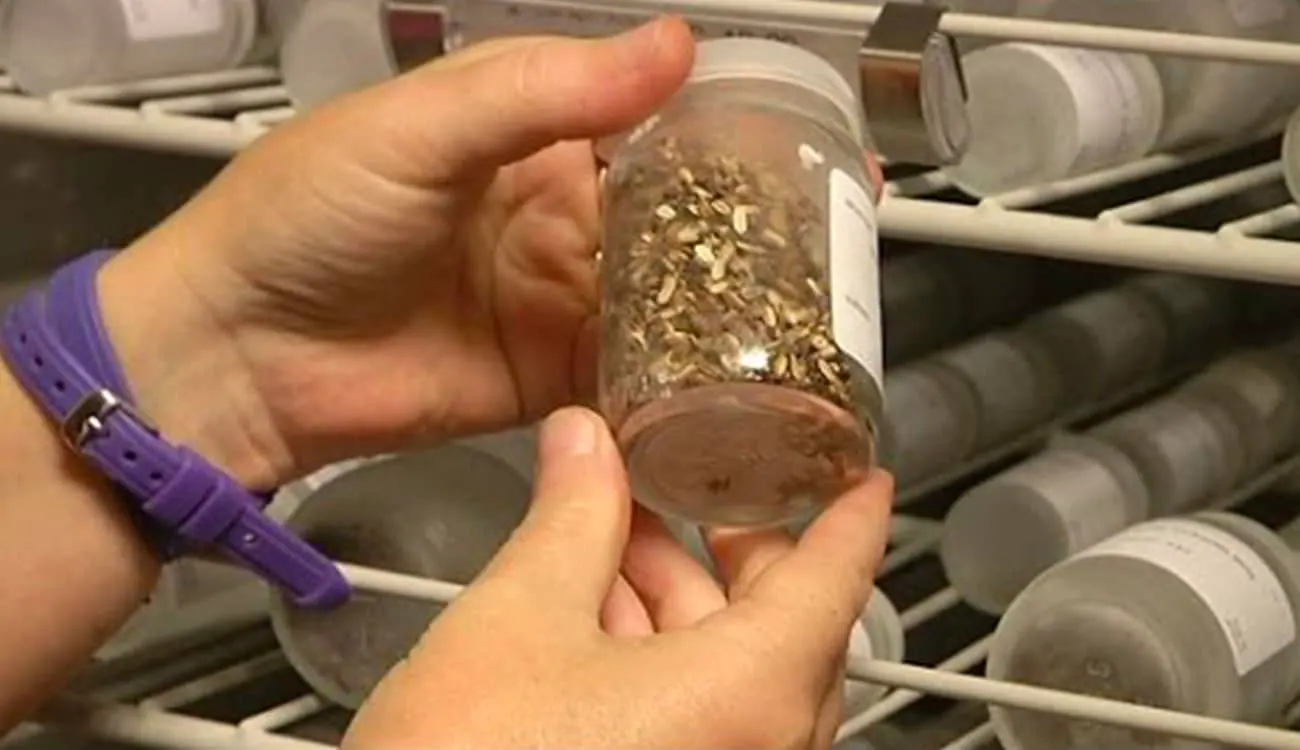
In a world where climate change, water scarcity, and food insecurity are pressing concerns, preserving plant genetic heritage has become a vital issue. A country's ability to conserve and utilize its genetic resources is crucial for ensuring food sovereignty and security. Tunisia, a nation with a rich agricultural history, is home to a unique genetic heritage that has been shaped over centuries. However, experts warn that this heritage is at risk of being lost if not properly conserved and utilized.
The Svalbard Global Seed Vault, also known as the "Doomsday Vault," in Norway, is a testament to the importance of preserving plant genetic heritage. The vault stores over 1.4 million seed samples from around the world, providing a safeguard against the loss of crop diversity. Tunisia is not entirely absent from this vault, with some of its genetic resources being conserved in international collections. However, the question remains as to whether Tunisia is aware of, conserves, and masters its own agricultural genetic heritage.
The National Gene Bank of Tunisia, established in 2007, is responsible for conserving and valorizing the country's plant, animal, and microbial genetic resources. However, having a gene bank is not enough; it is essential to know exactly what is being conserved, the condition of the resources, and which varieties have disappeared or are threatened. The bank must also be able to regenerate, characterize, and document the genetic resources and make them available to researchers and farmers.
The debate on seeds often pits traditional varieties against modern ones, with some arguing that traditional varieties are less productive. However, these varieties possess unique characteristics, such as resistance to drought, disease, or poor soil, that could become essential in the face of climate change. In Tunisia, which is facing water stress and climate change, these characteristics could be crucial for developing resilient crops.
Tunisia's agricultural genetic heritage has traveled far and wide, with some of its resources being collected, exchanged, or transferred to foreign institutions. While this may not be a cause for concern, it is essential to know where these resources are located and under what conditions they are being conserved. The Tunisian government should be able to answer simple questions about its genetic heritage, including which varieties exist, which have disappeared, and how to recover or multiply them if needed.
The urgency of the situation is heightened by climate change, which makes conserving genetic diversity a pressing issue. The Food and Agriculture Organization (FAO) emphasizes that the battle for food security will not be won solely through increased irrigation, fertilizers, or machinery, but also through greater genetic diversity. Tunisia must prioritize the conservation of its genetic heritage and make it a national priority.
To achieve this, Tunisia needs to fully utilize its existing institutions, including the National Gene Bank. The country must have a precise knowledge of its agricultural genetic heritage, strengthen its gene bank, complete the inventory of its collections, and ensure their conservation according to international standards. By doing so, Tunisia can ensure the long-term security of its food supply and protect its unique genetic heritage for future generations.
Key points
- Tunisia's National Gene Bank, created in 2007, holds the country's plant genetic heritage, but experts question its effectiveness in conserving and utilizing this valuable resource.