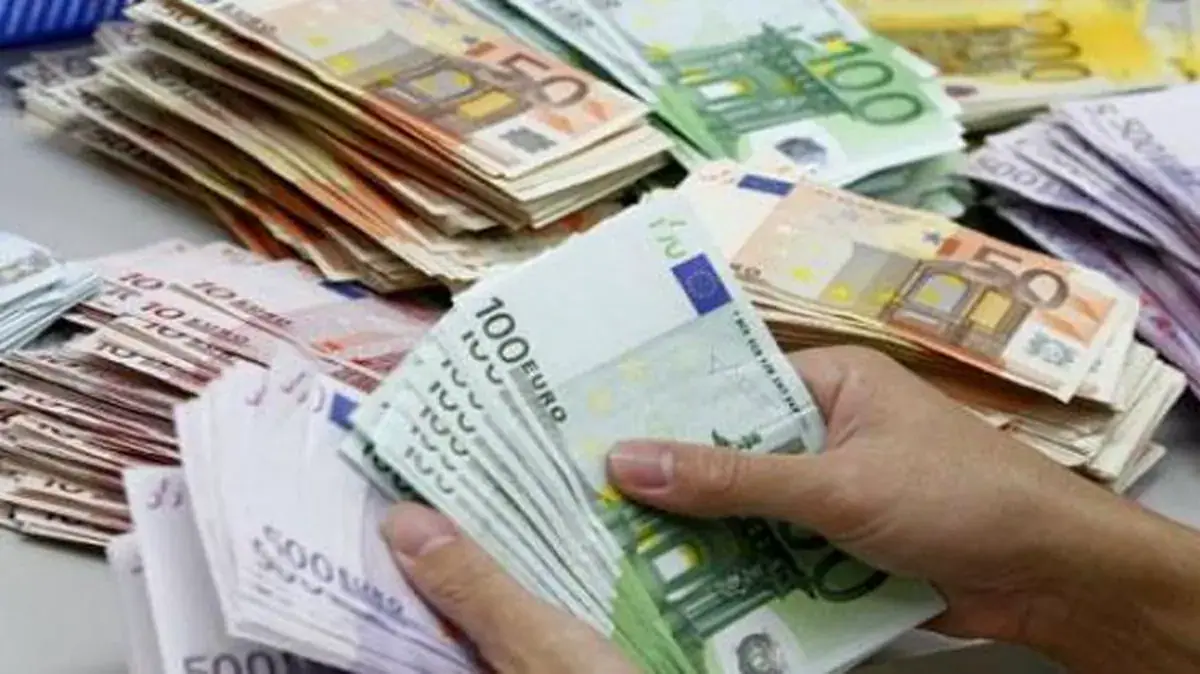
Tunisia's foreign exchange reserves have continued to decline, reaching 23.1 billion dinars as of November 24, 2026. This represents a coverage of 88 days of imports, down from 106 days at the same time last year. The decrease is attributed to a worsening trade and current account deficit, as well as a rise in the energy bill. The central bank reports that the reserves have decreased by nearly 1.7 billion dinars over the past 12 months.
The trade deficit has widened to 23.547 billion dinars for the first 10 months of 2026, up from 18.456 billion dinars in the same period last year. Imports have increased by 13% to nearly 79.85 billion dinars, while exports have risen by 7.8% to around 56.3 billion dinars. The energy deficit has also grown, reaching 12.026 billion dinars as of October, up from 9.182 billion dinars a year earlier. This represents over half of the total trade deficit.
The decline in foreign exchange reserves is a concern for Tunisia's ability to finance its imports. The country's reliance on energy imports is putting pressure on its foreign exchange needs. The central bank notes that the current account deficit has also worsened, reaching 6.403 billion dinars for the first 10 months of the year, or 3.5% of GDP.
Despite the challenges, Tunisia's tourism receipts and remittances continue to support foreign exchange inflows. As of November 20, tourism receipts reached 7.525 billion dinars, while remittances stood at 8.100 billion dinars. These resources help mitigate pressure on the external accounts but are not enough to prevent the decline in reserves.
The decline in foreign exchange reserves has implications for Tunisia's ability to meet its external obligations. The coverage of imports, which currently stands at 88 days, is an important indicator of the country's capacity to finance its imports. A decline in this coverage ratio suggests a reduction in the country's external safety margin.
The central bank's data suggests that the decline in reserves is a result of a combination of factors, including a widening trade deficit and a rise in the energy bill. The country's external accounts are under pressure, and the decline in reserves is a concern for the economy.
The situation highlights the need for Tunisia to address its external imbalances and implement measures to boost its foreign exchange earnings. The country's ability to stabilize its foreign exchange reserves and improve its external accounts will be crucial in maintaining economic stability.
Key points
- Foreign exchange reserves have declined to 23.1 billion dinars, covering 88 days of imports.
- The trade deficit has widened to 23.547 billion dinars for the first 10 months of 2026.
- Tourism receipts and remittances continue to support foreign exchange inflows, but are not enough to prevent the decline in reserves.