According to data published by the Tunisian National Observatory of Agriculture (Onagri), the country's food balance surplus stood at 983.1 million dinars by August 2026. This represents a significant increase of 43.7% compared to the same period in 2025, when the surplus was 684.1 million dinars. The coverage ratio also improved to 119.3% during the first eight months of the year.
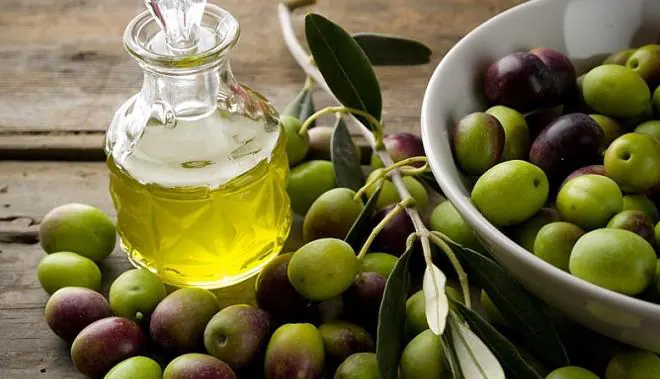
The surge in the food balance surplus is attributed to a rise in exports outpacing imports. Export values increased by 20.7% to 6 billion dinars by August 2026, up from 5 billion dinars in the same period of 2025. This growth was largely driven by a 39.5% increase in olive oil exports. Meanwhile, import values rose by 17.1% to 5 billion dinars during the same period, compared to 4.3 billion dinars in 2025.
The average export price of olive oil was 12.51 dinars per kilogram, down 2.5% year-on-year. In contrast, export prices for fishery products and citrus fruits declined by 7.2% and 12%, respectively. On the import side, prices for cereal products decreased, with hard wheat down 13.5%, soft wheat down 3.3%, and maize down 2.1%.
However, some imported products saw price increases, including barley (+3.6%), sugar (+9.7%), and vegetable oils (+3.3%). In contrast, prices for milk and its derivatives fell by 7.7%. These trends indicate a mixed picture for Tunisia's food trade.
The improvement in the food balance surplus is a positive development for Tunisia's economy. The country's agricultural sector plays a significant role in its overall economic performance. Olive oil is a key export product, and the increase in its export value has contributed to the growth in the food balance surplus.
The Tunisian government has been working to support the agricultural sector and boost exports. The country's strategic location and favorable climate make it well-suited for producing a range of agricultural products, including olives, citrus fruits, and vegetables. Efforts to promote and develop these sectors are ongoing.
Looking ahead, Tunisia's food balance is likely to remain an important factor in the country's economic performance. The government and agricultural sector will need to navigate global market trends, climate-related challenges, and other factors to maintain and grow the country's food trade surplus. Key factors will include export and import prices, global demand, and domestic production levels.
Key points
- Tunisia's food balance surplus reached 983.1 million dinars by August 2026, up 43.7% from the same period in 2025.
- The surplus growth is attributed to a 20.7% increase in exports, driven by a 39.5% rise in olive oil exports.
- Import prices for some products, such as barley, sugar, and vegetable oils, increased, while others, like cereal products, declined.