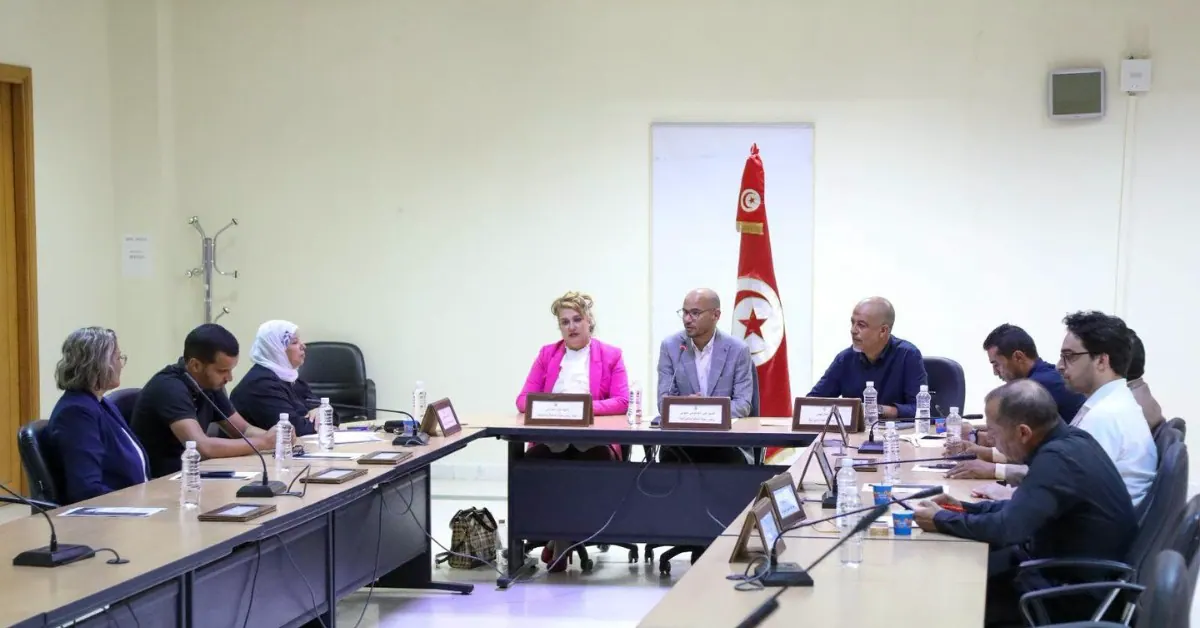
The finance and budget committee of Tunisia's National Council of Regions and Districts has decided to hold daily sessions to study the major orientations of the 2027 budget law project. This decision was made during a working session held on October 9, 2026. The committee will examine the report submitted by the Ministry of Finance regarding the implementation of the state's budget until the end of the first half of 2026.
During the session, the committee discussed the assumptions related to economic growth, oil and energy prices, and exchange rates, as well as their potential impact on the state's financial balances. The committee also examined the country's financing needs, budget deficit, and public debt, as well as the challenges related to the state's ability to meet its financial obligations and provide the necessary resources for investment and development.
Committee members emphasized the importance of evaluating the implementation of previous budgets and monitoring the progress of public projects and the consumption rates of allocated credits. This is to ensure the efficiency of public financial management and identify obstacles that may hinder the achievement of development goals. The committee also reviewed ways to rationalize public spending and improve the use of available resources.
The committee members stressed the need to enhance coordination and integration with other committees and involve all stakeholders in the process. This is to develop practical, realistic, and feasible proposals regarding the state's budget project and the 2027 budget law project. The goal is to consolidate the principles of transparency and good governance and promote fair and balanced development between Tunisia's regions and districts.
The National Council of Regions and Districts stated that the committee's discussions focused on the need for careful management of state resources and the importance of optimizing the use of state assets. This includes the need to mobilize additional resources for the public treasury and enhance the efficiency of public investment. The committee also highlighted the importance of monitoring the implementation of public projects and evaluating their impact on the economy.
According to the council, the 2027 budget law project will be subject to in-depth examination and discussion by the committee. The committee's goal is to ensure that the budget is aligned with the country's development priorities and that it promotes economic growth and social justice. The committee's discussions will also focus on the need to ensure the sustainability of public finances and maintain macroeconomic stability.
The finance and budget committee's daily sessions will continue until the 2027 budget law project is finalized. The committee's recommendations will be submitted to the National Council of Regions and Districts for approval. The council's decisions will play a crucial role in shaping Tunisia's economic and social development in the coming years.
Key points
- The committee will examine the report submitted by the Ministry of Finance regarding the implementation of the state's budget until the end of the first half of 2026.