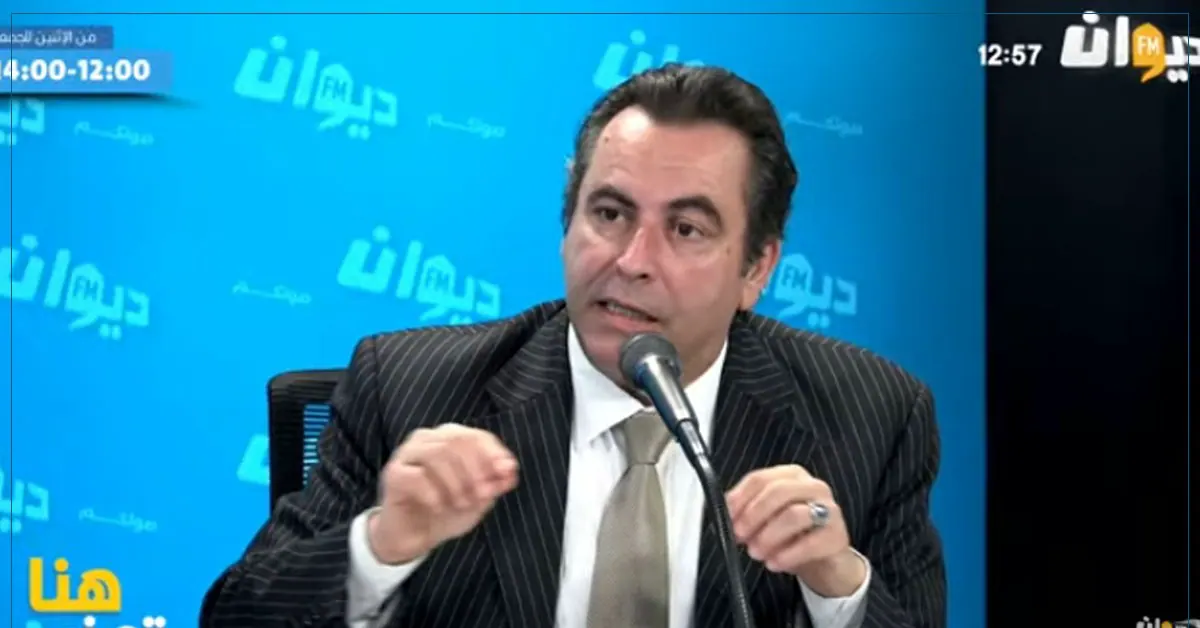
Tunisia's Finance Committee, led by Maher Kattari, plans to request that the state implement austerity measures in its operating expenses for the 2027 budget. This move aims to reduce the country's financial burden, particularly in areas such as vehicle purchases and fuel allowances. The committee's call for austerity comes as a result of the rising costs of energy imports, which have been impacted by fluctuations in global oil prices.
The Finance Committee's proposal seeks to minimize the impact of austerity measures on investment expenditures. Kattari emphasized that the committee will work to ensure that the 2027 budget prioritizes investment in key sectors. This approach is designed to promote economic growth while maintaining fiscal discipline. The committee's recommendations will be crucial in shaping the country's financial plans for the upcoming year.
Kattari also expressed concerns about the delayed submission of the 2026 budget execution report to the Finance Committee. He urged the Ministry of Finance to provide the report by June to facilitate the development of the 2027 budget. The committee requires this information to make informed decisions about the country's financial priorities.
The Finance Committee will also focus on promoting investment in the industrial sector, particularly in export-oriented industries. If the Ministry of Finance does not include relevant provisions in the 2027 finance law, the committee plans to introduce additional chapters to encourage investment. This initiative aims to boost economic growth and increase revenue for the state.
Kattari called on the government to refrain from increasing taxes on the organized sector and to work towards integrating the informal economy into the formal economy. This approach is expected to generate additional revenue for the state and promote economic stability. The committee's proposals will be critical in shaping the country's economic strategy for the coming year.
The Finance Committee has also discussed the impact of rising oil prices on the country's financial balances and the possibility of preparing a supplementary budget for 2026. The committee's discussions have highlighted the need for careful financial planning to mitigate the effects of external shocks on the economy.
The committee plans to summon the Minister of Finance to provide explanations and documents on various financial matters, including the Central Bank's facilities for the Treasury, state contributions to public companies, and guarantees provided for loans to public institutions. This move aims to increase transparency and accountability in the management of public finances.
Key points
- The Finance Committee will request state austerity in the 2027 budget, focusing on reducing operating expenses.
- The committee aims to promote investment in the industrial sector, particularly in export-oriented industries.
- The committee has expressed concerns about the delayed submission of the 2026 budget execution report to the Finance Committee.