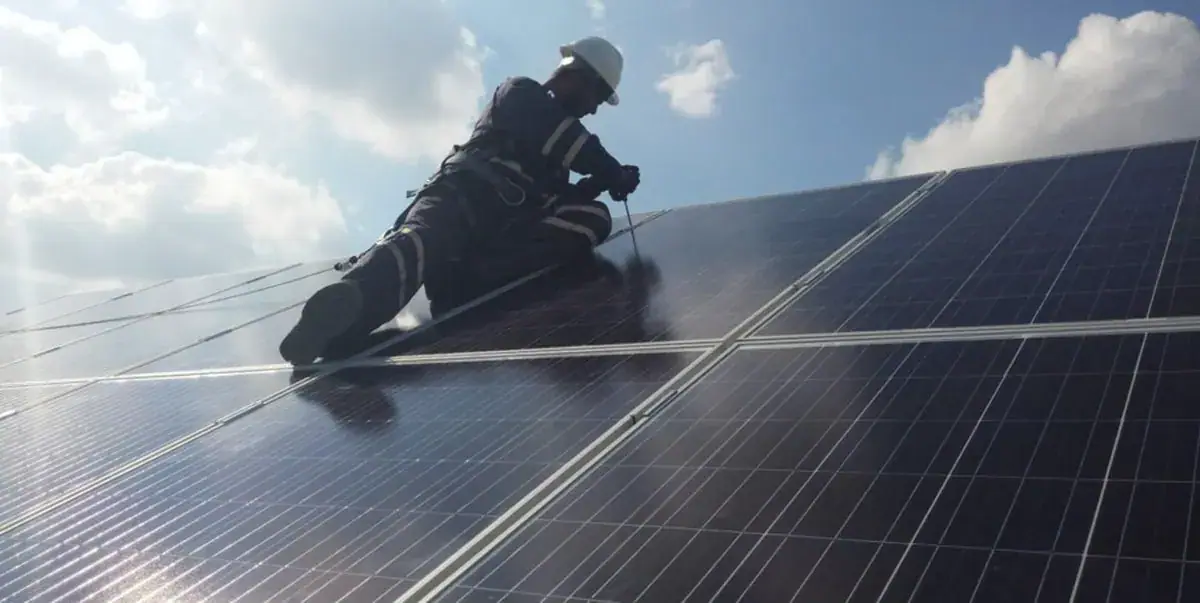
Tunisia's commission des finances et du budget has rejected two articles of the 2027 finance bill that proposed tax breaks for imported solar panels and batteries. The rejected articles, 49 and 50, aimed to reduce the cost of equipment necessary for solar energy development and electricity storage. The commission's decision comes amid concerns from local industrialists that these measures would harm national production and the competitiveness of domestic manufacturers.
Article 49 proposed exempting batteries for electricity storage from customs duties, value-added tax (VAT), and the contribution to the Industrial Competitiveness Development Fund, based on a technical opinion from the ministry in charge of industry. Article 50 suggested reducing customs duties on imported solar panels from 30% to 10%, as well as the applicable VAT rate. The goal was to make these equipment less expensive and encourage their use by households and businesses.
Local manufacturers of batteries and solar panels had expressed opposition to the proposed provisions, warning that they would undermine national production in the face of imported products. During hearings before parliamentary committees, sector representatives argued that these tax breaks would compromise the competitiveness of local companies, investment, and employment. Some deputies also requested clarification from the ministry of industry and technical services before making a decision on these articles.
The rejection of articles 49 and 50 marks a new arbitration in the examination of the 2027 finance bill, balancing the reduction of costs for energy transition equipment and the protection of national industry. This decision was taken at the level of the parliamentary commission, but the text still needs to go through the examination and voting process in Parliament before its final adoption.
The commission's decision reflects concerns about the potential impact on local industries and the need to protect national production. The Tunisian government has been promoting the development of renewable energy, particularly solar energy, as part of its energy transition strategy. However, the rejection of these articles may affect the country's ability to achieve its renewable energy targets.
The 2027 finance bill is currently under examination in Parliament, and the rejection of articles 49 and 50 may lead to further discussions and negotiations. The government may need to find alternative solutions to support the development of solar energy and electricity storage in Tunisia.
The commission's decision highlights the challenges of balancing economic development and environmental protection in Tunisia. The country aims to increase its renewable energy share and reduce its reliance on fossil fuels, but this requires careful consideration of the impact on local industries and the economy.
Key points
- The commission des finances et du budget has rejected articles 49 and 50 of the 2027 finance bill, which proposed tax breaks for imported solar panels and batteries.