The Commission of Finance and Budget in Tunisia's Assembly of Representatives of the People (ARP) has expressed deep concern over the government's failure to provide essential budget documents. The commission was convened on Monday to address the absence of key financial information, including the orientations of the 2027 finance bill and data on the execution of the 2026 budget for the first half of the year. This lack of transparency has raised significant concerns among lawmakers.
The commission's concerns go beyond mere administrative delays, as they believe this situation undermines the Parliament's ability to effectively monitor and control public finances. According to the Organic Law on the Budget, the general assumptions and orientations of the state budget should have been presented by the end of July. However, nearly two months later, the commission claims it still lacks the necessary information to assess the actual state of public accounts.
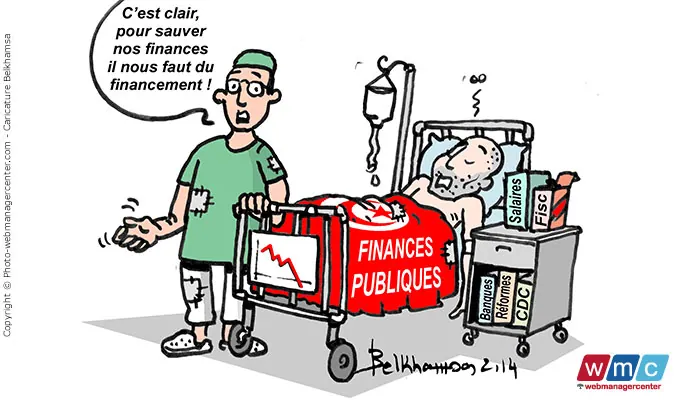
The accumulation of delays has sparked questions about the country's financial situation, with lawmakers denouncing the absence of updated data on revenues, expenditures, and budget execution levels. Without this information, it is impossible to assess the impact of international economic tensions, energy price fluctuations, or the dynamics of tax revenues. This lack of visibility is particularly concerning given the current challenges facing budget balances and the central issue of state financing.
Another pressing issue is the blockage of the 2022 and 2023 budget settlement bills, which are not compliant with the Organic Law on the Budget's requirements for double-entry accounting. These bills are crucial for parliamentary control, allowing lawmakers to verify how public funds were actually spent and identify areas of responsibility in case of deviations. The commission has also raised concerns about the consequences of rising oil prices and their potential impact on public finances.
The commission has requested clarification on the facilities granted to the state by the Central Bank of Tunisia, including the nature of the mechanisms used, amounts engaged, and the impact on inflation, foreign exchange reserves, and monetary balances. They have also called for the release of the Central Bank's report, which is essential for analyzing the economic situation. Furthermore, lawmakers have expressed concerns about frequent electricity cuts and water supply disruptions.
The discussions have extended beyond strictly financial matters, with deputies advocating for a national debate on energy and highlighting the importance of energy security as a matter of sovereignty and economic challenge. The commission has decided to summon Finance Minister to explain the delays in transmitting budget documents, present the assumptions for the 2027 finance bill, and clarify whether a rectified budget is being considered.
The meeting marks a hardening of the parliamentary tone on budget issues, with lawmakers demanding greater transparency on the actual state of public finances as the 2027 budget examination approaches. The requests for documents and statistics reflect a broader requirement for transparency, particularly given the shrinking budget margins and growing concerns about the sustainability of financial balances.
Key points
- The commission demands greater transparency on public finances, citing delays in budget documents and lack of clarity on state finances.
- The blockage of 2022 and 2023 budget settlement bills raises concerns about parliamentary control and accountability.
- The impact of rising oil prices and energy challenges prompts calls for a national debate on energy security.