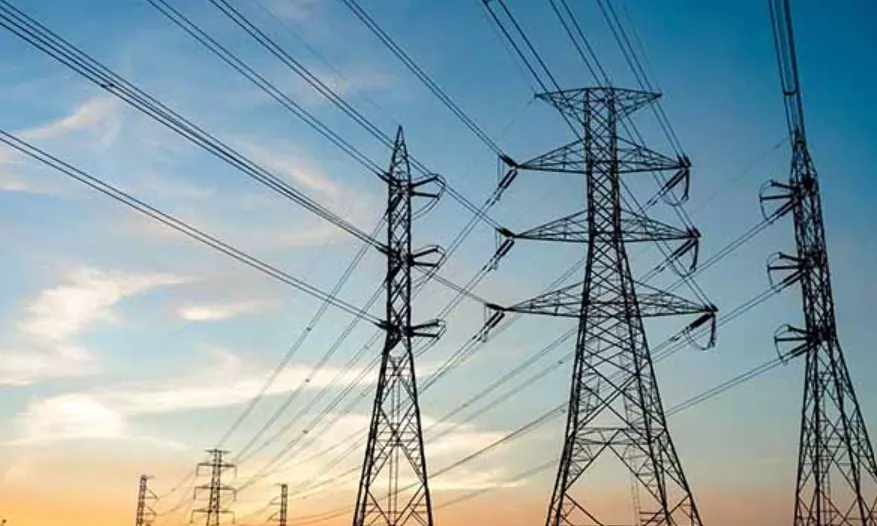
The Tunisian Engineers' Chamber has developed an energy roadmap aimed at bolstering the country's energy security and averting a crisis similar to the one experienced during the 2026 summer. Chamber President, Mohsen Gharsi, announced the initiative, emphasizing that the 2026 summer served as a wake-up call for urgent action. The roadmap was created by gathering a team of engineering experts to provide practical solutions in the energy sector.
Gharsi explained that the problem is not solely related to the installed electric power capacity but rather the availability of actual capacity to meet demand during peak consumption periods, especially when temperatures rise. He stressed that addressing the issue requires a comprehensive approach encompassing production, gas, maintenance, networks, renewable energy, storage, financing, governance, and demand control.
The proposed roadmap outlines several practical paths, including recovering available capacity through maintenance, securing peak period needs, and accelerating self-production of electricity using solar energy. Additionally, it suggests controlling demand, protecting vital infrastructure, developing networks, and enhancing storage systems. Gharsi emphasized that preparations for the 2027 summer must begin now, given the limited time available for decision-making and implementing maintenance and investment operations.
The Engineers' Chamber does not aim to replace the state, government, or the Tunisian Electricity and Gas Company but rather offers its expertise to help address the challenges in the energy sector. Gharsi highlighted that the roadmap's objective is to transition from the study phase to implementation, converting proposals into actionable decisions, programs, and projects.
Gharsi praised the efforts of engineers and experts who contributed to the roadmap, emphasizing that their role extends beyond diagnosing issues to providing solutions and participating in their implementation. He expressed the chamber's readiness to continue discussing and refining the roadmap, contributing to its monitoring and execution.
The energy roadmap is crucial for Tunisia's economic sovereignty and social stability, and Gharsi believes that energy security is no longer solely a technical issue but also linked to economic sovereignty, social stability, and the rights of future generations. The chamber's initiative aims to ensure a stable energy supply and prevent future crises.
Key stakeholders, including government officials and industry experts, are expected to review and discuss the proposed roadmap. The Engineers' Chamber remains committed to supporting the implementation of the roadmap, ensuring that it translates into tangible actions on the ground.
Key points
- The Tunisian Engineers' Chamber proposes an energy roadmap to enhance energy security and prevent a repeat of the 2026 summer crisis.
- The roadmap outlines practical solutions, including recovering available capacity, securing peak period needs, and accelerating self-production of electricity using solar energy.
- The initiative aims to ensure a stable energy supply, prevent future crises, and support Tunisia's economic sovereignty and social stability.