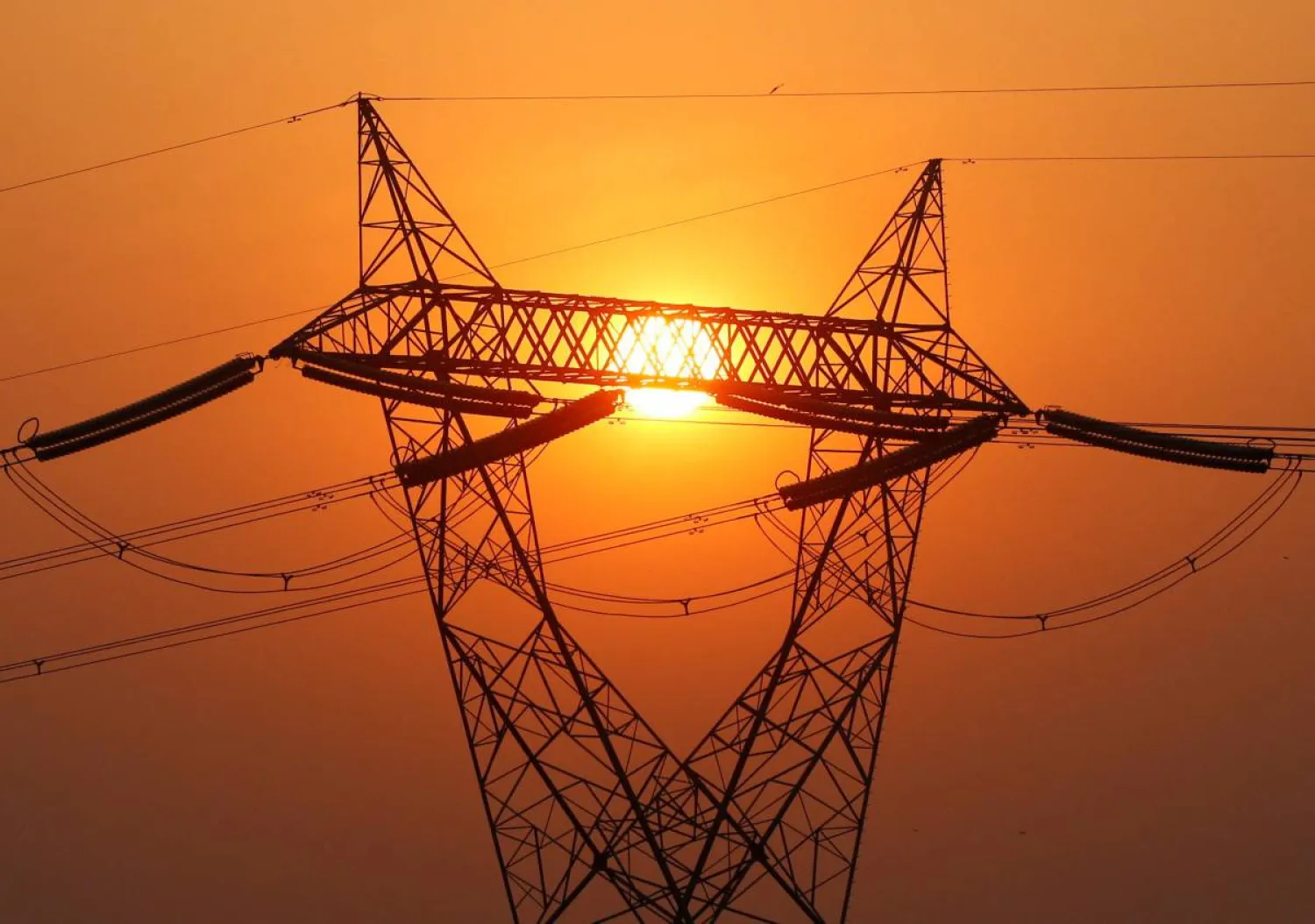
A study by the Tunisian Engineers' Order, released on October 6, 2026, forecasts that the summer of 2027 will be a critical period for Tunisia's electrical system. The study cites ongoing pressure on production capacities and increasing electricity demand. However, it expects a gradual improvement in the balance of the electrical system starting from 2028, driven by a package of urgent measures and proposed structural reforms.
The study notes that the energy deficit will remain high during the summer of 2027, making the upcoming season a significant test of the electrical system's ability to meet the country's needs. The challenges faced by Tunisia during the summer of 2026 are attributed to both climatic conditions and structural issues identified by the Engineering Sciences Council in September 2023. The study emphasizes that overcoming these challenges is possible through the implementation of a set of measures, securing necessary funding, and their timely execution.
The study identifies five primary factors contributing to the difficulties, including Tunisia's near-total reliance on imported gas, the impact of rising temperatures on electricity demand, and decreased turbine efficiency. Additionally, delayed projects and investments, higher-than-reflected electricity demand, and increased pressure on networks and loss rates are cited as contributing factors. Some transformers and lines are operating at maximum capacity, with an estimated 20% energy loss.
The study stresses that addressing these challenges requires a comprehensive and long-term approach, as the deficit has accumulated over several years. Urgent measures must be accompanied by structural solutions to rebuild the electrical safety margin gradually. It highlights the importance of distinguishing between installed capacity and available capacity, noting that capacity only counts after a project is completed, connected to the grid, and operational.
The study proposes a comprehensive set of measures to improve the stability of the electrical system, including recovering current production capacities, adding new generation capacities, and accelerating the development of renewable energies linked to storage. It recommends, in the short term, establishing a national crisis management cell and adopting a three-level alert system. The study also suggests launching regular awareness campaigns and promoting cooperation with Algeria, Libya, and Italy to secure gas supplies during peak periods.
For 2027 and 2028, the study suggests several structural reforms, including the creation of an independent regulatory body, the establishment of an energy ministry, and the appointment of a government energy commissioner. It also recommends improving revenue collection, supporting vulnerable groups, investing in human resources, and enhancing cybersecurity. The study believes that restoring an electrical safety margin and achieving greater stability by the end of 2028 will require, in addition to increased capacities, ensuring project completion, securing gas supplies, reducing losses, and improving demand management.
The study's findings and recommendations aim to provide a roadmap for addressing Tunisia's electrical system challenges. By implementing the proposed measures, the country can work towards achieving a more stable and reliable electrical system.
Key points
- The summer of 2027 will be a crucial test for Tunisia's electrical system due to increasing demand and production constraints.
- A gradual improvement in the electrical system's balance is expected starting from 2028.
- The study proposes a comprehensive set of measures to improve the stability of the electrical system.