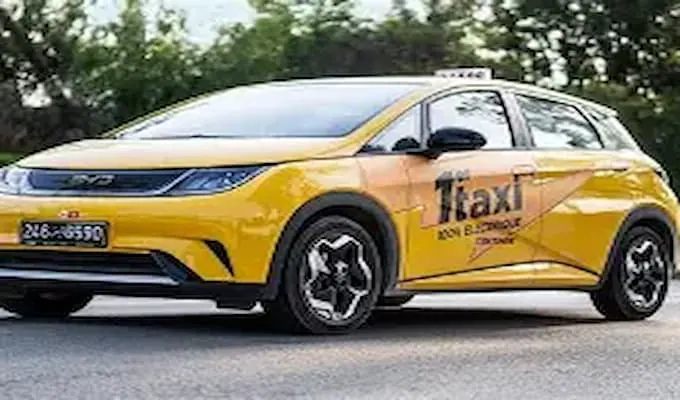
The Tunisian government has taken steps to promote electric mobility, with the Agence nationale pour la maîtrise de l'énergie (ANME) recently awarding a 10,000-dinar subsidy to 23 taxi owners for purchasing electric vehicles. This move is part of the "Scaling up the adoption of electric mobility in Tunisia" project, which runs from 2022 to 2027 and is financed by the FEM and managed by the ONUDI Tunisia. The initiative aims to reduce emissions from road transport.
Despite this effort, critics argue that the subsidy falls short in addressing the significant price gap between thermal and electric vehicles in Tunisia. The ONUDI has highlighted major structural barriers to electric mobility, including a nearly non-existent charging infrastructure, the high cost of electric vehicles, and the lack of a clear legislative and fiscal framework. These challenges hinder the widespread adoption of electric vehicles.
The "Scaling up the adoption of electric mobility in Tunisia" project has been touted as a key strategy for reducing emissions from road transport. However, with only 23 taxi owners receiving subsidies, it remains to be seen whether this initiative will have a significant impact on the country's overall emissions. The project's goals and timelines will be closely watched by stakeholders.
Industry experts have expressed concerns that the current subsidy program may be more of a publicity stunt than a comprehensive strategy for large-scale electrification. With major cities like Bizerte, Sfax, and Djerba being targeted, there are hopes that electric mobility can gain traction. Nevertheless, addressing the systemic bottlenecks remains crucial for the project's success.
Tunisia's energy landscape is undergoing significant changes, with a focus on renewable energy and international partnerships. The country aims to generate 80% of its electricity from green sources by 2050, according to Nafâa Baccari. The push for electric mobility is part of this broader strategy to transition to a more sustainable energy mix.
The challenges facing Tunisia's electric mobility push are multifaceted. While the subsidy program is a step in the right direction, more needs to be done to address the high upfront costs of electric vehicles and the lack of charging infrastructure. The ONUDI and other stakeholders will need to work together to overcome these hurdles and create a more enabling environment for electric mobility.
As Tunisia continues to navigate its transition to a low-carbon economy, the effectiveness of its electric mobility strategy will be closely monitored. With the right policies and investments in place, the country may be able to overcome the current roadblocks and make significant strides in promoting sustainable transportation.
Key points
- The Tunisian government's electric taxi subsidy program has sparked debate amid high vehicle costs and lacking infrastructure.
- The country's electric mobility push faces significant structural barriers, including a nearly non-existent charging infrastructure and high upfront costs.
- Tunisia aims to generate 80% of its electricity from green sources by 2050 as part of its broader strategy to transition to a more sustainable energy mix.