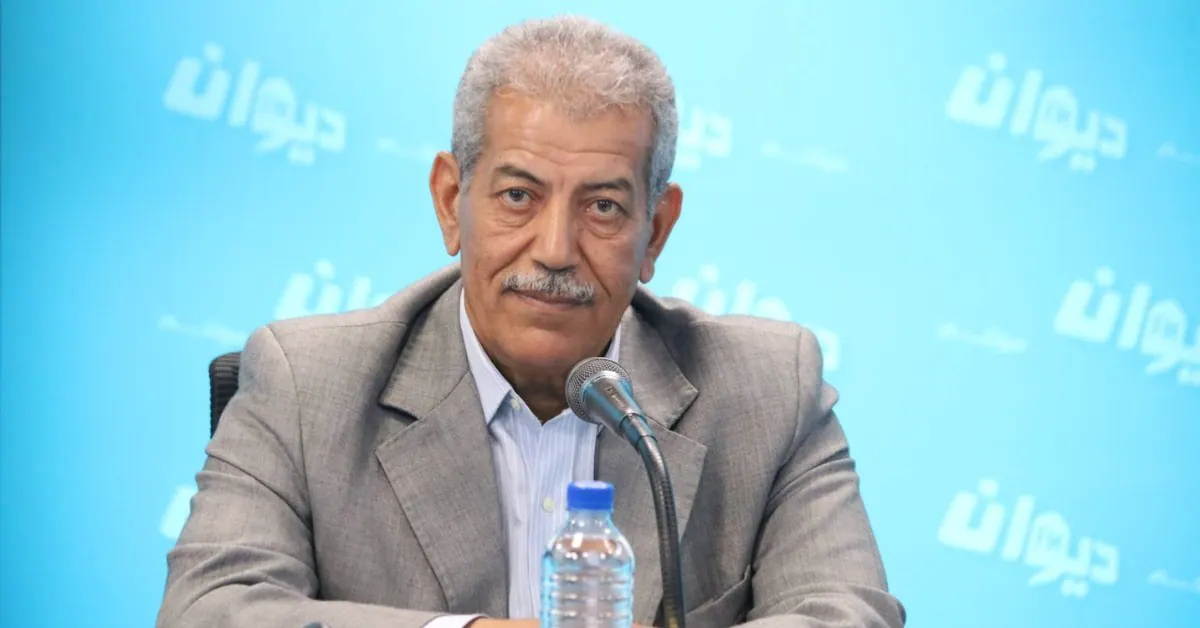
Tunisia's parliamentary education committee head, Abdelrazak Ouaidat, has stated that the education ministry's decision to keep students within school premises during breaks aims to protect them from risky behaviors and ensure their physical and psychological safety. The new measures are set to take effect in October. Ouaidat emphasized that this move seeks to provide students with a secure environment, similar to that offered by private educational institutions.
According to Ouaidat, implementing this decision will pose significant logistical and human resource challenges for educational institutions. These challenges include a severe shortage of supervisors and staff, as well as inadequate classrooms for students to review their lessons. Many schools currently utilize single classrooms for multiple sections, exacerbating the issue.
Ouaidat highlighted that primary schools in Tunisia face financial constraints, relying on limited funding from developmental associations that often bear significant tax burdens. The current education ministry budget stands at approximately 8,000 million, with 90% allocated to cover the salaries of nearly 250,000 employees.
To effectively implement the new safety measures, Ouaidat called for a substantial increase in the education ministry's budget to between 14,000 and 16,000 million over the next three years. He stressed that additional funding should be directed specifically towards infrastructure development, construction of new classrooms, and recruitment of new staff.
Ouaidat noted that the education sector's budget has significantly decreased over the years, dropping from 28% of the state's budget in the 1970s to around 10% currently. He emphasized the need for increased investment in the sector to address existing challenges and provide quality education to students.
The initiative to enhance school safety comes as part of broader efforts to improve the education system in Tunisia. The country's education sector has faced various challenges, including inadequate infrastructure and resource shortages.
As the new academic year approaches, educational institutions in Tunisia must address these pressing concerns to ensure a safe and conducive learning environment for students. The success of the new safety measures will depend on the government's ability to address the sector's funding and infrastructure needs.
Key points
- The Tunisian government faces challenges in implementing new school safety measures due to inadequate infrastructure and funding constraints.
- The education ministry's budget needs to be increased to address existing challenges and provide quality education to students.
- The new safety measures aim to protect students from risky behaviors and ensure their physical and psychological safety within school premises.