In November 1998, a symposium in Sfax, Tunisia, brought together experts to discuss the role of universities in the 21st century. The event highlighted the need for institutions to adapt to new technologies and the emergence of a globalized knowledge economy. This led to a re-evaluation of curricula and teaching methods to prepare students for the future job market. The university's strategic role in transmitting, processing, and creating knowledge was emphasized, making it a key driver of social development.
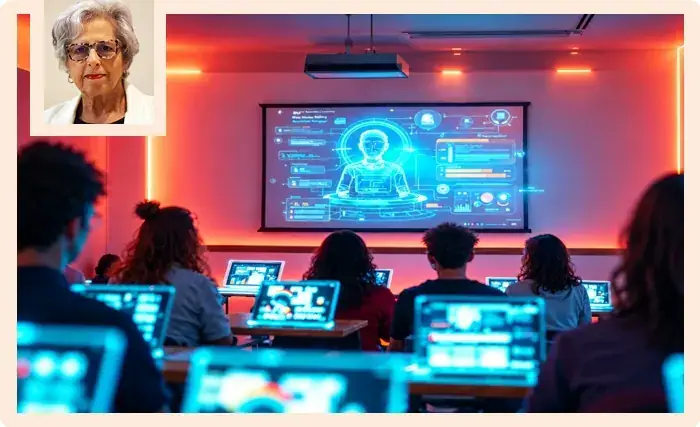
The integration of new technologies, including artificial intelligence, has become essential for universities to stay relevant. This involves developing new teaching and learning strategies, encouraging independent learning, and utilizing multimedia equipment and the internet. However, it is also crucial to provide opportunities for social interaction, promoting collaborative activities, and upholding humanitarian values and intellectual ethics. As the world becomes increasingly interconnected, universities must balance their global outlook with preserving their cultural heritage.
The advent of generative AI has sparked debates about its potential benefits and risks in education. While some argue that AI can enhance learning outcomes and research, others raise concerns about its impact on students' intellectual, emotional, and social abilities. Salman Khan, an educator, advocates for working with technology to provide personalized learning experiences tailored to individual students' needs. His approach involves using AI as a tool to complement traditional teaching methods, offering high-quality educational resources, and providing access to virtual tutors.
Khan's model of individualized learning has led to the creation of his academy, which leverages AI to support students' learning journeys. AI-powered tools can help students access relevant educational content, engage in interactive learning, and receive personalized feedback. This can be particularly beneficial for students in remote or underserved areas, where access to quality education is limited. By harnessing AI's potential, educators can bridge the gap in educational disparities and provide equal opportunities for all.
However, concerns about the over-reliance on AI in education have been raised. Excessive use of AI can lead to atrophy of critical thinking, problem-solving, and creativity skills. Furthermore, AI-generated content can be biased, unreliable, or unfair if it is based on incomplete or inaccurate data. There is also a risk of perpetuating existing social biases and prejudices if AI algorithms are not thoroughly tested. Therefore, it is essential to address these challenges and ensure that AI is used responsibly and ethically in education.
To mitigate these risks, universities in Tunisia and elsewhere must prioritize educating students about AI, its applications, and its limitations. This includes providing technical training on AI's underlying principles and promoting awareness of its potential biases and pitfalls. By fostering a nuanced understanding of AI, educators can empower students to harness its potential while avoiding its pitfalls. This approach will enable the next generation of leaders to navigate the complexities of an AI-driven world.
As Tunisia's education sector continues to evolve, it is clear that AI will play an increasingly important role in shaping the future of learning. By embracing AI and addressing its challenges, universities can unlock new opportunities for students, enhance research capabilities, and drive social development. Ultimately, the responsible integration of AI in education will depend on a collaborative effort from educators, policymakers, and stakeholders to ensure that this technology is harnessed for the greater good.
Key points
- Educators in Tunisia are exploring ways to harness the potential of artificial intelligence in education while addressing concerns about its impact on students' skills and knowledge.
- The integration of AI in education can provide personalized learning experiences, enhance research capabilities, and drive social development.
- However, concerns about AI's potential risks, including bias, unreliability, and atrophy of critical thinking skills, must be addressed through responsible use and education.
Reporting sources
- Riadh Zghal: L’IA, l’université et la formation · leaders.com.tn