Tunisia's Minister of Economy and Planning, Samir Abdel Hafiz, has stated that the country's economy has shown relative resilience in the face of global economic shocks. Despite ongoing pressures related to geopolitical situations, energy crises, and varying sectoral performance, Abdel Hafiz emphasized the importance of continuing to implement the development plan and supporting public institutions. This, he believes, will improve economic performance and address current challenges.
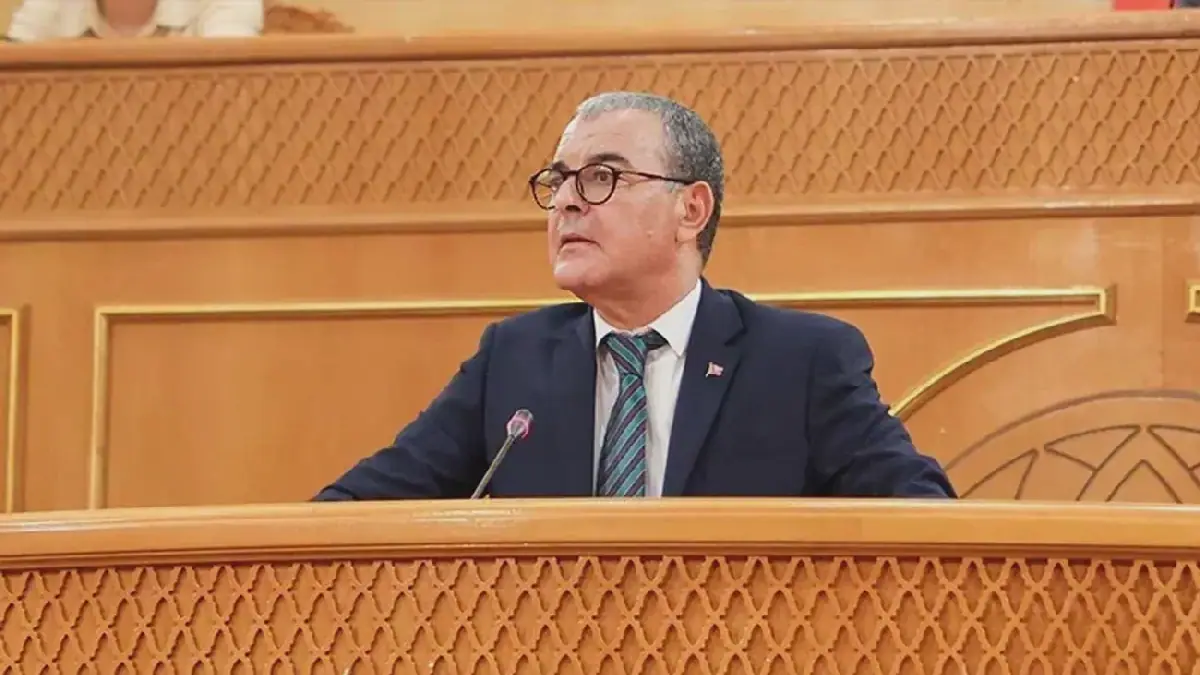
Abdel Hafiz made these remarks during a joint session of the Finance Committees of the House of Representatives and the National Council of Regions and Districts. The session was held to discuss the draft economic budget and was attended by various stakeholders. The Minister highlighted that the global economy is facing complex challenges, including the ongoing war in the Middle East and its impact on international trade.
The Minister of Economy and Planning also pointed out that the current global situation is characterized by ongoing pressures on energy markets and expectations of continued monetary policy tightening. These factors, he noted, affect the investment climate and make it difficult to forecast economic prospects. This situation is further complicated by fluctuations in global markets and increasing pressures on national economies.
Abdel Hafiz's assessment comes amid a complex international environment marked by intertwined geopolitical and economic crises. This situation necessitates continued efforts to enhance the national economy's ability to adapt to external shocks. Supporting public institutions and achieving a balance between economic growth requirements and the state's social role are crucial in this context.
The Minister emphasized the need for Tunisia to continue implementing its development plan, which aims to promote economic growth and improve living standards. This plan involves various initiatives and projects aimed at supporting key sectors, such as agriculture, industry, and services. By pursuing these efforts, Tunisia aims to mitigate the impact of global shocks and promote sustainable economic growth.
The discussion of the draft economic budget took place in the context of Tunisia's efforts to address its economic challenges. The country's economy has faced significant pressures in recent years, including high debt levels, inflation, and unemployment. The government's efforts to address these challenges and promote economic growth are critical to improving the living standards of Tunisian citizens.
The session's discussions highlighted the importance of cooperation between the government, parliament, and other stakeholders in addressing Tunisia's economic challenges. By working together, these parties can develop effective solutions to promote economic growth, improve living standards, and enhance the country's resilience to global shocks.
Key points
- Tunisia's economy has shown relative resilience in the face of global economic shocks.
- The government aims to continue implementing its development plan to promote economic growth and improve living standards.
- The country's economic challenges include high debt levels, inflation, and unemployment.