Tunisia's economy is facing a paradoxical situation as it approaches the end of 2026, with resilient real activity but increasing external and institutional fragility. According to official data from the National Institute of Statistics (INS) and the Central Bank of Tunisia (BCT), the country's trade deficit has reached 17.85 billion dinars as of August 2026, representing 9.9% of GDP. This marks a 22% increase from the previous year.
The country's import bill continues to rise, driven by energy, food, and industrial inputs, with imports increasing by 11.6%. Hechmi Alaya, an economist, notes that Tunisia is facing a gradual external strangulation, with the country's production and export capabilities weakened. The phosphate sector, a key foreign exchange generator, has seen a 5.5% decline in production over the past year.
The energy crisis is a significant contributor to Tunisia's economic woes, with diesel prices surging to $240 per barrel, more than double the price of crude oil. The country's reliance on imported gas, which accounts for 96.7% of its electricity production, has made it vulnerable to price fluctuations. Larbi Benbouhali, a banker, highlights the impact of these price increases on the country's trade deficit and budget.
The tourism sector, another key foreign exchange earner, is also facing challenges, with visitor numbers up but average spending per tourist remaining low. The olive oil sector is also struggling, with Tunisia's export prices 31% lower than global prices. These factors have contributed to a widening current account deficit, which has reached 4.24 billion dinars, up 49% from the previous year.
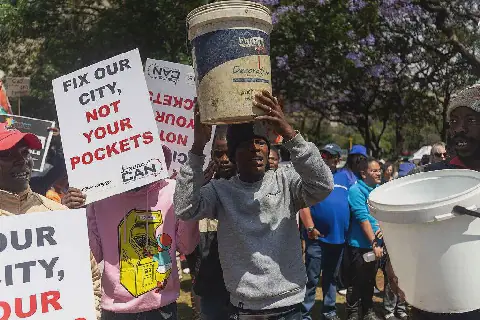
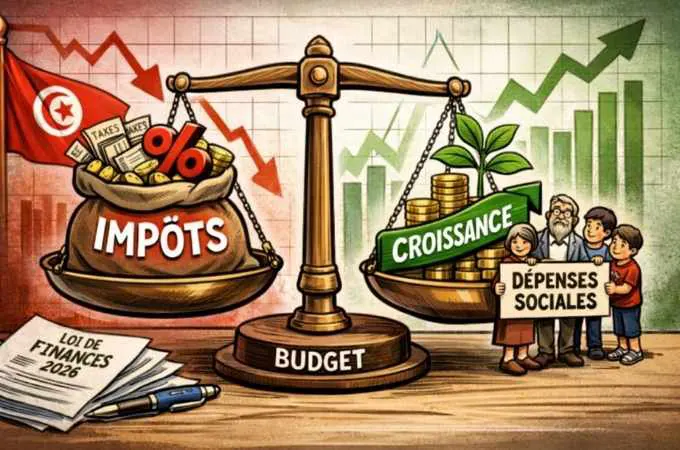
The Tunisian government has increased tax revenues significantly, from 28.9 billion dinars in 2019 to 47.8 billion dinars in 2026, a 65% increase. However, Abdelbasset Sammari notes that this increase in taxation creates an obligation for the government to be more transparent and accountable in its spending. The lack of transparency and accountability in public finances has raised concerns about the effectiveness of public spending and the legitimacy of taxation.
The absence of a comprehensive and regularly updated inventory of state assets has also been highlighted as a major concern. The government has been criticized for failing to publish complete and timely budget execution reports, making it difficult to assess the country's financial situation. This lack of transparency and accountability has undermined trust in the government and the economy.
Economists agree that Tunisia's economic sovereignty is closely tied to its institutional sovereignty, and that the country needs to address its external and institutional constraints to restore stability and growth. This will require a comprehensive strategy to boost competitiveness, improve governance, and increase transparency and accountability in public finances.
Key points
- Tunisia's trade deficit is expected to reach a record 27 billion dinars in 2026.
- The country's energy crisis is driven by a surge in diesel and gas prices.
- The government faces criticism for a lack of transparency and accountability in public finances.