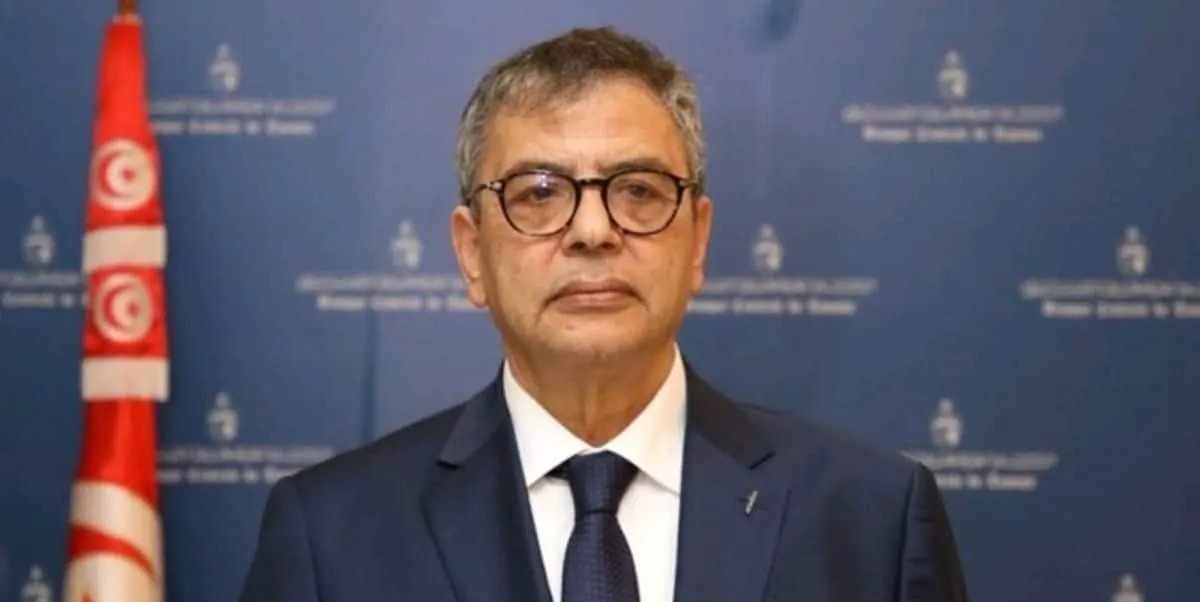
For several years, the term "resilience" has dominated Tunisia's economic discourse. The focus has been on withstanding external shocks, preserving foreign exchange reserves, maintaining exchange rate stability, and absorbing geopolitical and climate tensions. However, Governor Fethi Zouhaier Nouri of the Central Bank of Tunisia (BCT) now emphasizes the need for a change in approach. He stated that it's time to transition from a resilience mindset to one of creating wealth. This shift goes beyond monetary policy, highlighting the need for the next stage of Tunisia's economic development.
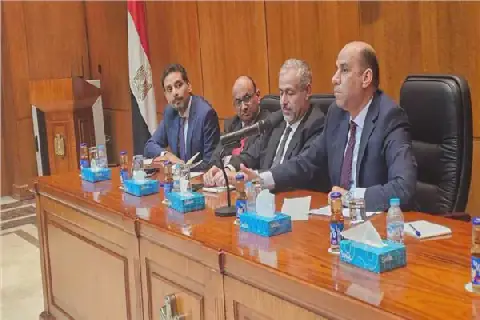
During a meeting with World Bank and International Finance Corporation (IFC) officials, Governor Nouri stressed the urgency of accelerating project implementation and investments. He specifically mentioned the phosphate and renewable energy sectors as priorities. The phosphate sector is historically significant for Tunisia's exports but operates below its potential. Renewable energy is crucial for addressing the country's energy dependency. This focus is strategic, as it aims to boost production, exports, and job creation while reducing vulnerabilities.
The need for this economic shift is underscored by recent data. In Istanbul, Governor Nouri noted that Tunisia's energy deficit reached nearly 7 billion dinars by the end of June 2026, a 35% increase from the previous year. This highlights that wealth creation is not just an abstract goal but a necessity for addressing structural vulnerabilities. It requires projects that can increase production, exports, and reduce dependencies.
The World Bank and IFC have expressed their support for Tunisia's economic development. Ahmadou Moustapha Ndiaye from the World Bank confirmed a commitment to enhancing support for Tunisia, particularly in infrastructure and private sector development. Ary Naim of the IFC aims to significantly increase financing in Tunisia and support the internationalization of Tunisian businesses. This cooperation is seen as crucial for mobilizing the private sector and achieving concrete project outcomes.
The challenge for Tunisia now lies in translating potential into tangible results. While stability is a necessary condition for growth, it is not a strategy in itself. The focus must shift towards productive investments that can strengthen the economy. This requires effective implementation of projects and a more significant role for the private sector. The government's efforts to create a conducive environment for investment are critical in this regard.
Governor Nouri's call for a shift from resilience to wealth creation reflects a broader recognition of Tunisia's economic challenges. It involves not just preserving stability but actively pursuing growth through investments and job creation. This approach necessitates a coordinated effort from all stakeholders, including the government, international institutions, and the private sector. The goal is to ensure that Tunisia's economy is not just resilient but also dynamic and growth-oriented.
The path forward for Tunisia involves leveraging its potential in key sectors and fostering a more favorable investment climate. This includes addressing structural issues such as energy dependency and underutilized productive capacities. With a renewed focus on wealth creation, Tunisia aims to transition from a state of survival to one of sustainable growth and development. The success of this strategy will depend on effective collaboration and implementation.
Key points
- Tunisia's central bank governor calls for a shift from economic resilience to wealth creation.
- The phosphate and renewable energy sectors are prioritized for investment and project implementation.
- International institutions like the World Bank and IFC are committed to supporting Tunisia's economic development.