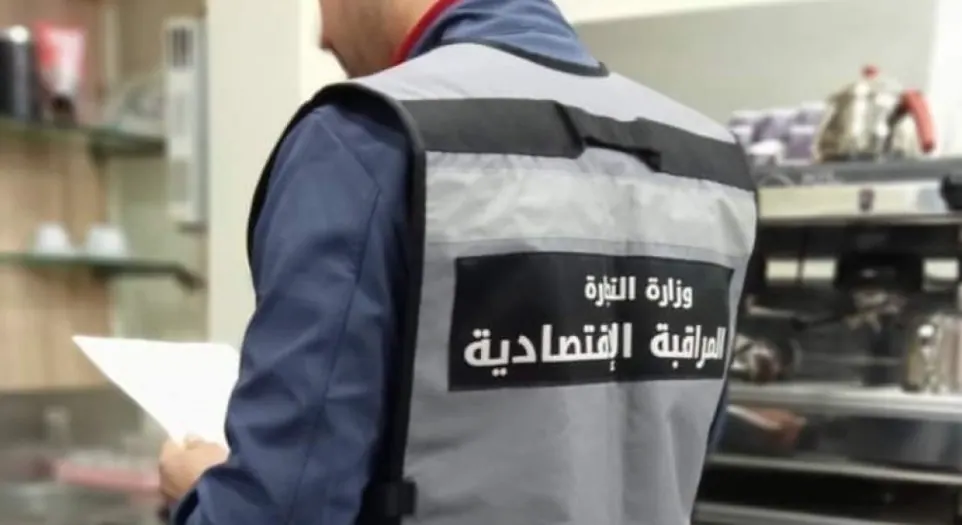
In September, Tunisia's economic monitoring units, comprising 69 joint teams, conducted 225 inspection visits across the country's governorates, resulting in the detection of 228 economic infractions. These inspections were carried out by the regional trade administration, aiming to ensure compliance with economic regulations. The infractions uncovered varied in nature, including price hikes, invoicing irregularities, and undeclared products.
According to the regional trade administration's report, the 228 infractions were categorized into several types, including 30 instances of price hikes, 36 invoicing irregularities, 115 cases of undeclared prices, 22 weighing-related infractions, 10 instances of product concealment and refusal to sell, and 11 cases of marketing non-compliant products. Additionally, 3 miscellaneous infractions were recorded. These findings highlight the need for continued monitoring to maintain market integrity.
The infractions were distributed across various sectors, including 69 cases in the vegetable sector, 36 in the food products sector, 17 in the meat and fish sector, 14 in the tobacco and dried fruits sector, 2 in the bakeries and pastry shops sector, 45 in the stationery sector, 5 in the construction materials sector, 20 in the clothing sector, and 3 in the restaurants sector. Furthermore, 17 miscellaneous infractions were recorded. This breakdown underscores the breadth of sectors affected by the infractions.
During the same period, joint teams seized 724 boxes of tobacco, 110 boxes of "nfa" (a type of product), 17.51 kg of chicken, and 428 erasers. These seizures demonstrate the authorities' efforts to crack down on illicit goods and enforce regulations. The seized products were likely being sold in contravention of economic regulations, posing risks to consumers and the economy.
The regional trade administration's efforts aim to protect consumers and maintain market order. By conducting regular inspections and enforcing regulations, the authorities seek to promote fair trade practices and prevent economic infractions. This proactive approach is essential in ensuring the stability and integrity of the market.
The inspections and seizures carried out in September reflect the ongoing commitment of Tunisia's economic monitoring units to enforcing regulations and promoting compliance. The authorities' efforts are geared towards fostering a fair and transparent business environment, which is crucial for the country's economic growth and development. By addressing economic infractions, the authorities can help build trust and confidence in the market.
The findings from the September inspections highlight the importance of continued vigilance in monitoring economic activities. The authorities must remain proactive in detecting and addressing infractions to maintain market integrity and protect consumers. This requires sustained efforts and coordination among various stakeholders, including regulatory bodies, law enforcement agencies, and market participants.
Key points
- Tunisia's economic monitoring units uncovered 228 infractions in September, including price hikes, invoicing irregularities, and undeclared products.