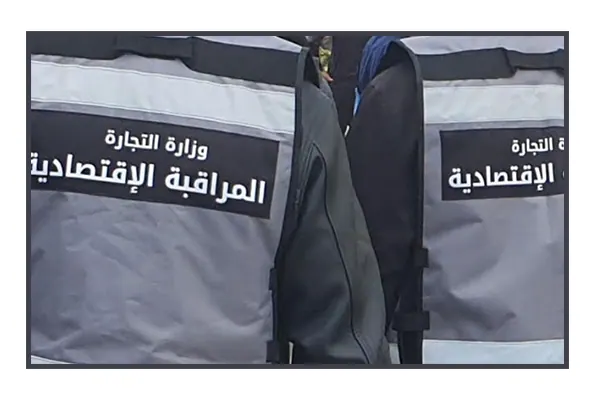
In September, economic monitoring teams in Tunisia's Nabeul governorate conducted 1,530 inspection visits, resulting in the identification of 340 economic infractions. According to Nabeul's Regional Trade and Export Development Director, Sahar El Mabrouk, these visits were carried out by 122 economic monitoring teams. The inspections covered various sectors, including fruits and vegetables, food products, fish, poultry, eggs, and more.
The majority of infractions were recorded in the food products sector, with 83 cases, followed by 55 cases in the school supplies sector, 58 in the tobacco sector, and 52 in the fruits and vegetables sector. El Mabrouk stated that infractions related to price hikes and increases topped the list, with 151 cases, while 121 cases were related to the integrity and transparency of commercial transactions.
A total of 25 seizure operations were carried out during the same period, involving essential products such as 36,084 liters of mineral water, 30,000 school notebooks, 11 tons of sugar, 3.4 tons of flour, 36 tons of potatoes, and 1,618 school supplies. These seizures were made due to various reasons, including failure to respect the legal price, refusal to sell, and hiding goods.
El Mabrouk emphasized that the joint efforts of economic monitoring teams will continue to ensure the stability of the market supply of basic products and services, as well as to combat market disruptions and breaches that affect the smooth functioning of the market and the purchasing power of citizens.
The monitoring teams covered various sectors, including cafes, restaurants, animal feed, beverage sales outlets, bakeries, and more. The inspections aimed to verify compliance with laws and regulations, particularly those related to pricing, quality, and commercial practices.
In a related development, the Islamic Development Bank approved financing worth €335.49 million to extend Tunisia's highway network to the cities of Kairouan and Jendouba. This project aims to improve the country's transportation infrastructure and facilitate the movement of goods and people.
The efforts of Tunisia's economic monitoring teams reflect the government's commitment to maintaining market stability and protecting consumers' rights. As the country continues to navigate economic challenges, such initiatives are crucial in ensuring the smooth functioning of the market and promoting economic growth.
Key points
- 340 economic infractions were identified during 1,530 inspection visits in Nabeul, Tunisia, in September.
- The majority of infractions were related to price hikes and increases, with 151 cases.
- 25 seizure operations were carried out, involving essential products such as mineral water, school notebooks, sugar, flour, potatoes, and school supplies.