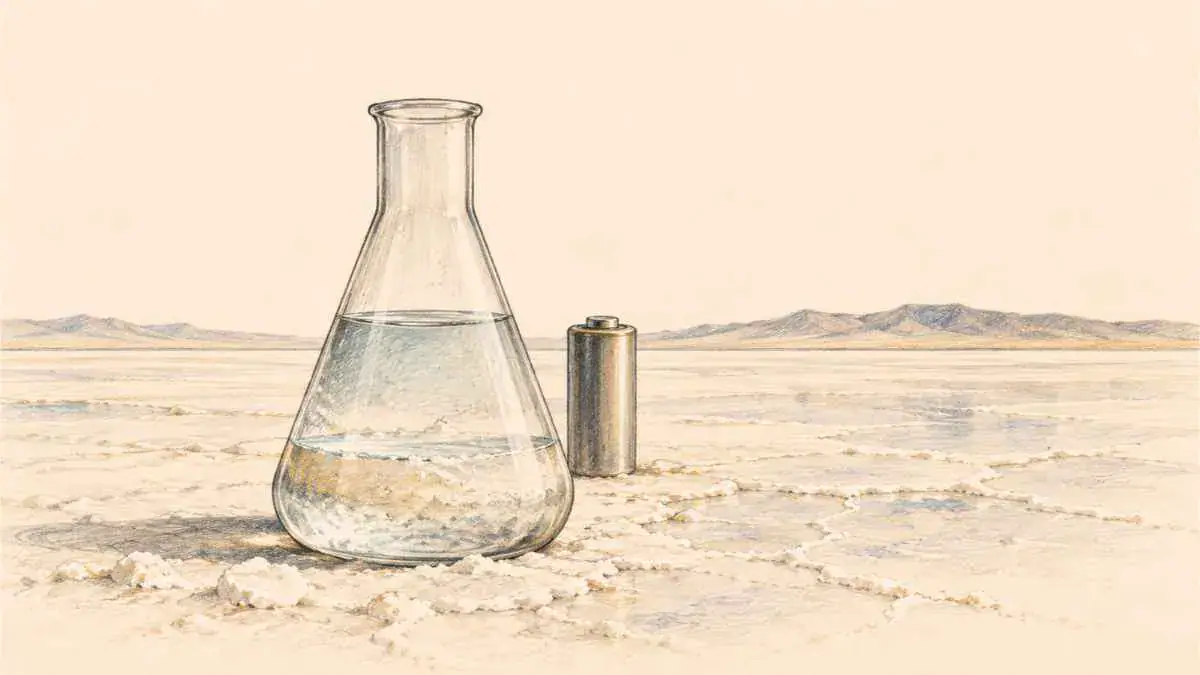
Tunisia's economy is poised for transformation with the discovery of a significant lithium reserve in the Chott El-Jérid desert. An estimated 142,500 tonnes of lithium have been discovered in the region, according to a scientific study. However, the feasibility of exploiting this resource remains uncertain, with technical, cost, and environmental concerns yet to be addressed. The potential for lithium mining could significantly impact Tunisia's economy, but careful consideration of the environmental implications is crucial.
The country's energy sector is also facing significant challenges, with frequent power outages affecting businesses. According to the Tunisian Institute for Economic Analysis and Research (IACE), the estimated losses for companies due to power outages in July and August 2026 amount to 1,269.6 million dinars. The impact is widespread, with 96% of surveyed companies reporting power outages and 51.9% postponing investments. These disruptions not only affect production but also damage relationships with export partners.
In contrast, Tunisia's stock market has shown positive performance, with 65 listed companies reporting a combined profit of 1,702 million dinars for the first half of 2026. This represents a 7.7% increase compared to the same period last year. The financial sector contributed significantly to this growth, with 1,110 million dinars in profits. However, the performance of listed companies is varied, with some sectors experiencing declines.
Despite these positive developments, Tunisia still faces challenges in promoting financial inclusion, particularly among women. A study by the United Nations Development Programme (UNDP) and the Financial Inclusion Observatory found that only 18% of women in seven governorates have a bank account. Limited income, financial dependence, lack of information, and mistrust of banks are cited as major obstacles to accessing financial services.
The Tunisian government and financial institutions are working to address these challenges and promote economic growth. One initiative is the Prix ARLEM 2026, awarded to Nada Ghammem, founder of Bionic Soul, for her innovative work in developing prosthetic limbs. This recognition highlights Tunisia's potential for innovation and social impact.
The country's economic development is also influenced by its strategic location in the Mediterranean region. Tunisia's participation in regional initiatives and partnerships aims to promote economic cooperation and integration. However, the country's economic growth is also dependent on addressing its energy and infrastructure challenges.
In conclusion, Tunisia's economy presents a mixed picture, with opportunities for growth and development, but also significant challenges to overcome. The country's lithium reserve, energy sector, and financial inclusion initiatives will play a crucial role in shaping its economic future. With careful planning and investment, Tunisia has the potential to achieve sustainable economic growth and improve the living standards of its citizens.
Key points
- * Tunisia has discovered a significant lithium reserve in the Chott El-Jérid desert, estimated to be around 142,500 tonnes. * The country's energy sector is facing challenges, with frequent power outages affecting businesses and resulting in estimated losses of 1,269.6 million dinars. * Tunisia's stock market has shown positive performance, with 65 listed companies reporting a combined profit of 1,702 million dinars for the first half of 2026.