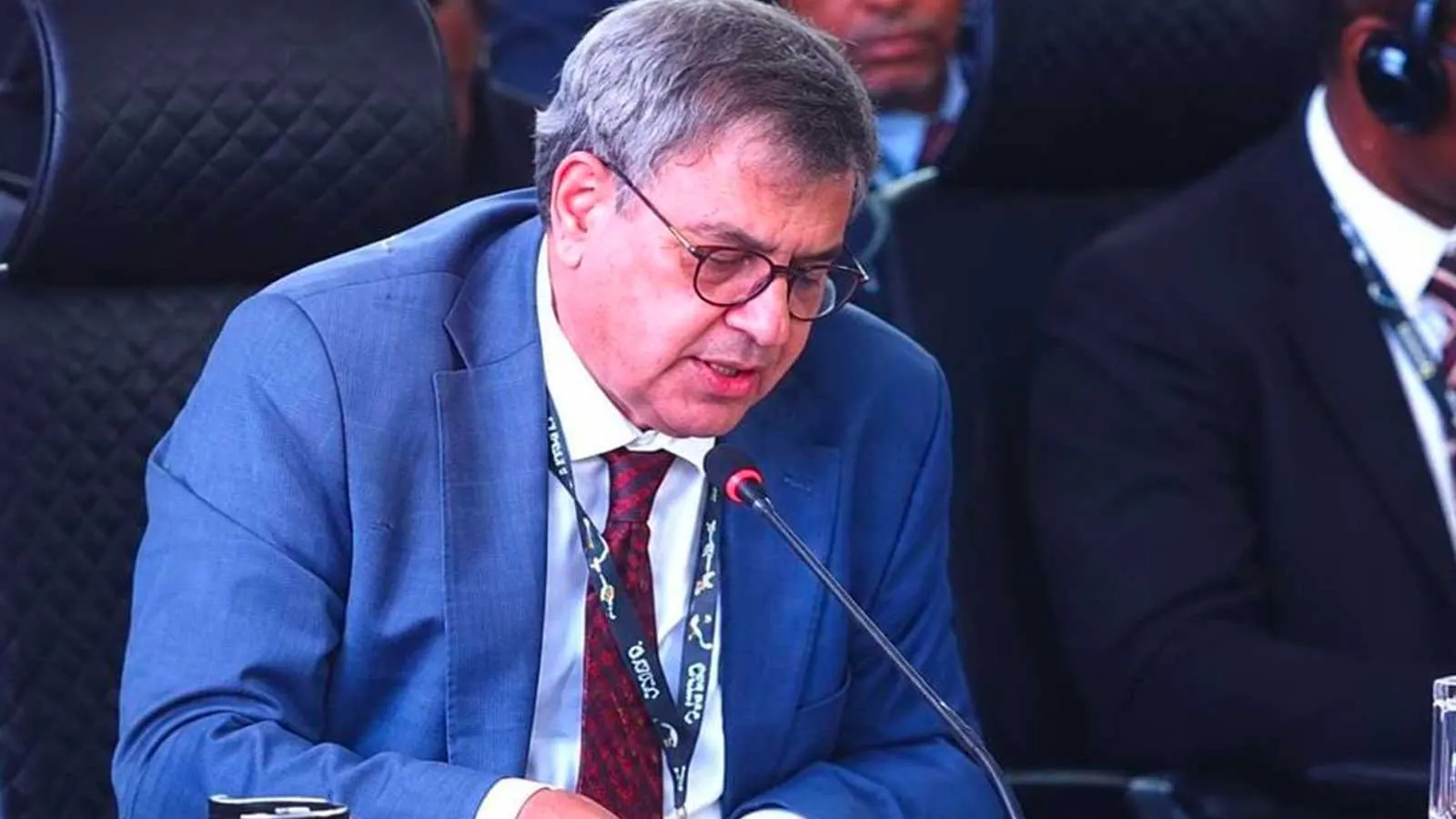
Tunisia's economic growth relies heavily on accelerating projects and investments, particularly in the phosphate and renewable energy sectors. Fethi Zouhaier Nouri, Governor of the Central Bank of Tunisia (BCT), emphasized the need for a new approach, shifting from a logic of resilience to one of wealth creation. This call to action was made during a meeting with Ahmadou Moustapha Ndiaye, Country Director of the World Bank (WB) for the Maghreb and Malta, and Ary Naim, Director of the International Finance Corporation (IFC) for Africa.
Nouri highlighted Tunisia's efforts in maintaining economic stability, citing the preservation of exchange rate stability and reserve levels. He also stressed the importance of reviving private investment, a dossier closely monitored by the BCT. According to a BCT communiqué, the governor praised the quality of cooperation with the World Bank and its continuous support. Tunisia boasts significant potential and numerous ambitious projects, he added.
The meeting also saw discussions on the partnership between Tunisia and international financial institutions. Ndiaye expressed his institution's commitment to providing integrated solutions for its member countries, focusing on infrastructure development and private sector growth. He described the partnership with Tunisia as exemplary, built on project implementation, result-oriented approaches, and concrete solutions.
Ary Naim, IFC Director for Africa, emphasized Tunisia's vast potential and outlined plans to substantially increase financing for the country. The IFC aims to invest heavily in infrastructure projects and support the internationalization of Tunisian businesses. This will be achieved through instruments and mechanisms designed to facilitate access to financing.
The World Bank and IFC have reaffirmed their commitment to supporting Tunisia's economic development. Their efforts will focus on addressing key challenges and seizing opportunities for growth. The institutions recognize Tunisia's resilience in the face of climate and geopolitical shocks.
Fethi Nouri's call for accelerated project implementation and investment reflects a broader strategy to drive economic growth. By leveraging support from international institutions, Tunisia aims to harness its potential and achieve sustainable development. The country's phosphate and renewable energy sectors are critical areas for investment.
Moving forward, Tunisia's economic trajectory will depend on effective collaboration between the government, central bank, and international partners. With a focus on project implementation and private sector growth, the country is poised to address existing challenges and capitalize on emerging opportunities. Key stakeholders will need to work together to ensure the successful execution of these plans.
Key points
- Fethi Nouri calls for a shift from resilience to wealth creation in Tunisia's economic strategy.
- The World Bank and IFC have pledged support for Tunisia's development, focusing on infrastructure and private sector growth.
- Tunisia aims to accelerate project implementation and investment in key sectors such as phosphate and renewable energy.