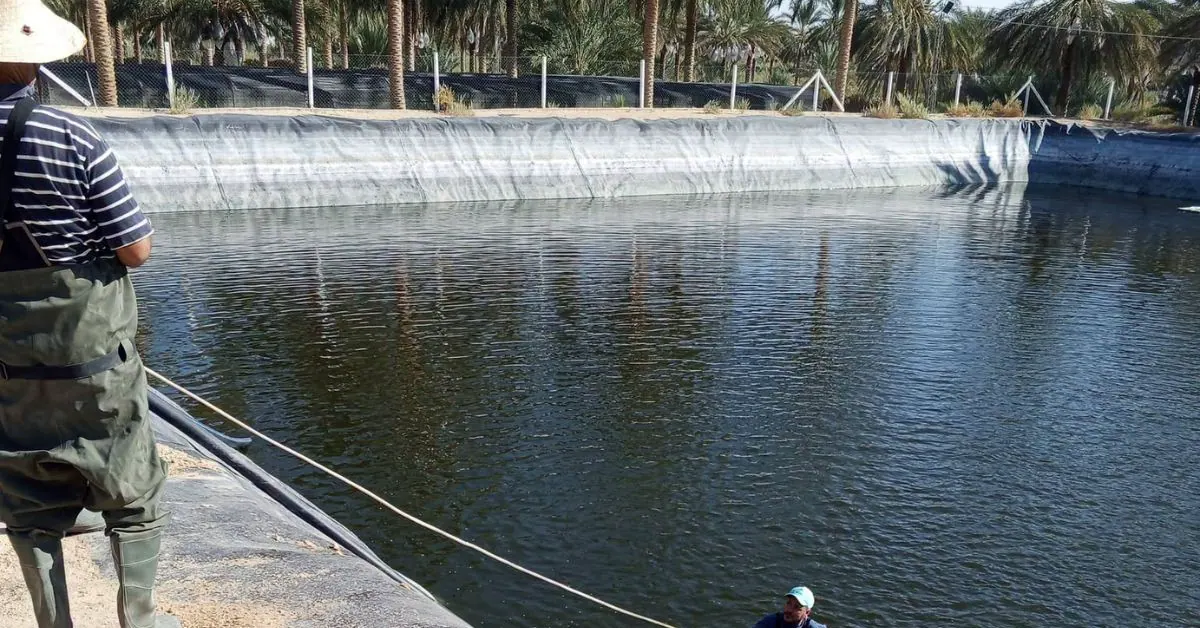
The Date Technical Center in Tunisia has announced the launch of the first phase of a fish farming program in oases. The program, which began at the experimental farm in Simida, Qibili Governorate, aims to breed Nile tilapia in pools. This project is part of a larger initiative to design and implement an integrated family farming system. The project is funded by the Food and Agriculture Organization.
The project is a collaboration between the Date Technical Center, the Technical Center for Aquaculture, and the Regional Agricultural Research Center in Dqash. The goal is to develop a sustainable and integrated family farming system in oases. This will be achieved by combining fish farming with plant production. The project also aims to improve the efficiency of natural resource use and promote innovation in oasis farming.
The program is designed to diversify the income sources of farmers and improve their livelihoods. By integrating fish farming with existing agricultural activities, farmers can increase their income and reduce their reliance on a single crop. The project will also provide training and technical assistance to farmers to help them adopt new farming practices.
The Date Technical Center has been working to promote sustainable agriculture practices in Tunisia's oases. The center provides technical assistance and training to farmers on modern farming techniques. The fish farming program is part of a broader effort to promote integrated farming systems and improve agricultural productivity in the region.
The project has the potential to make a significant impact on the lives of farmers in Tunisia's oases. By providing new income sources and improving agricultural productivity, the project can help to reduce poverty and improve food security. The project will also help to promote sustainable agriculture practices and reduce the environmental impact of farming.
The launch of the fish farming program is a significant milestone in the development of oasis agriculture in Tunisia. The program has the potential to be replicated in other regions, providing a model for sustainable agriculture practices. The Date Technical Center will continue to provide technical assistance and training to farmers to ensure the success of the program.
The project's success will depend on the collaboration and commitment of all parties involved. The Date Technical Center, the Technical Center for Aquaculture, and the Regional Agricultural Research Center will work together to ensure the project's objectives are met. The project's impact will be monitored and evaluated to identify areas for improvement and ensure its sustainability.
Key points
- The project aims to develop a sustainable and integrated family farming system in oases.
- The program will provide training and technical assistance to farmers to help them adopt new farming practices.
- The project has the potential to make a significant impact on the lives of farmers in Tunisia's oases.