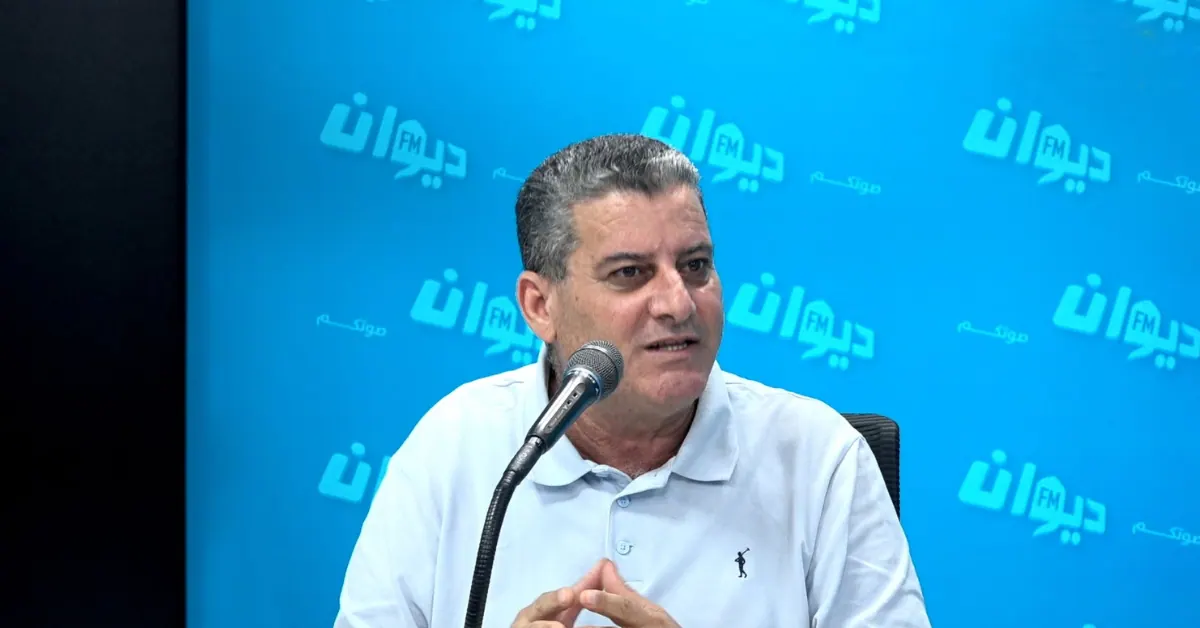
Tunisia's date sector has the potential to generate 3 billion dinars in export revenues, but it faces significant challenges. According to Fathi Ben Khalifa, economic advisor to the Tunisian Union of Agriculture and Fisheries, the sector is hampered by structural and financial issues that need to be addressed. The current season has started in difficult circumstances, with a lack of buyers and delayed payments to farmers.
Ben Khalifa recently visited the Tozeur region to assess the situation and meet with farmers. He noted that the harvest is ready, but the lack of guarantees and delayed payments from buyers are major concerns. He warned that if farmers continue to bear the risks alone, it could have negative consequences for the sector. The limited availability of bank financing for the sector is also a significant constraint.
To address these challenges, Ben Khalifa announced the launch of a new financing line worth 20 million dinars through the Tunisian Solidarity Bank. This represents a 25% increase compared to last year, and farmers can now access up to 60,000 dinars for storage and 10,000 dinars for harvesting. This new financing line aims to support farmers and help them overcome some of the difficulties they face.
According to Ben Khalifa, the sector's economic indicators are mixed. As of August 31, the value of transactions had reached nearly 1 billion dinars, and date exports had exceeded 180,000 tons. However, the average export price of 6.2 dinars per kilogram is significantly lower than the domestic price of 7 dinars per kilogram. This price gap highlights the need to improve the sector's competitiveness and increase farmers' incomes.
To boost the sector, Ben Khalifa proposed several solutions. One of these is to regularize the status of unauthorized wells in regions such as Qafsa, Qibili, and Tozeur. This would involve applying the provisions of the finance law, in coordination with the Ministry of Agriculture and the Prime Minister's office. This move would help integrate affected farmers into the formal economy.
Ben Khalifa also emphasized the importance of strengthening professional organization and creating cooperative or community companies. These structures could help reduce production costs, improve date quality, and increase farmers' bargaining power. He also highlighted the need for better storage and marketing systems to help farmers sell their products more effectively.
Other proposals include creating a national company specializing in date exports, similar to those in the olive oil sector. This would help protect farmers, improve the visibility of Tunisian dates on international markets, and increase export revenues. Additionally, Ben Khalifa suggested developing processing industries related to dates, such as cosmetics, animal feed, and food production, to increase the sector's value-added and create new job opportunities.
Key points
- A new financing line worth 20 million dinars has been launched to support farmers.
- The sector has the potential to generate 3 billion dinars in export revenues.
- Solutions proposed include creating a national company for date exports and developing processing industries.