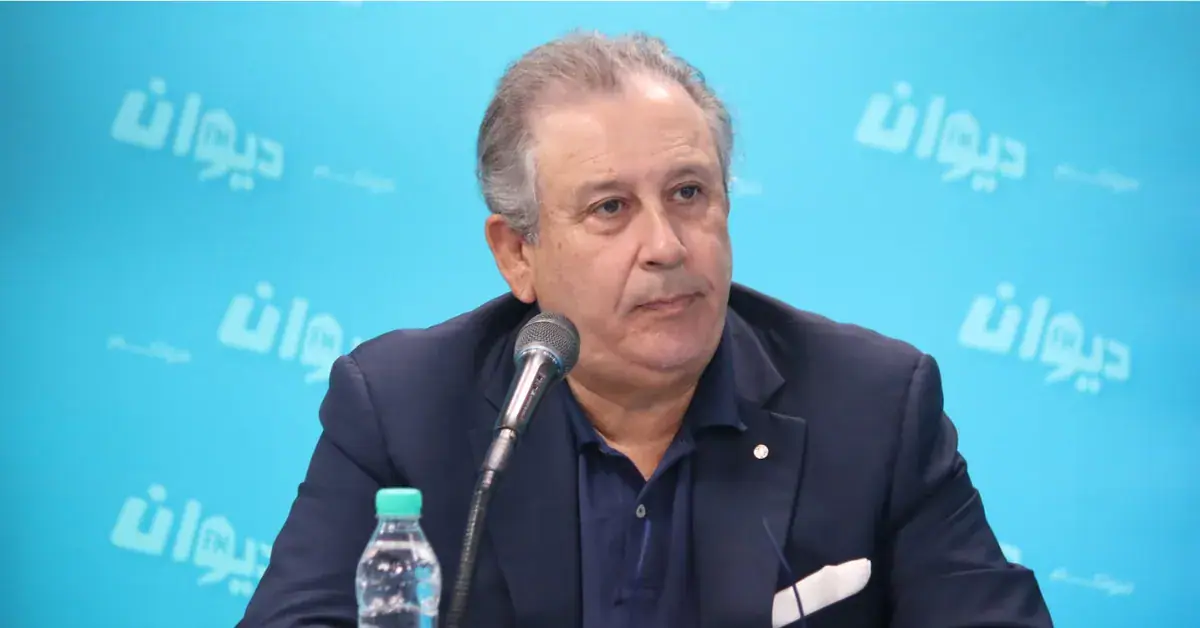
Tunisia's current subsidy system has been criticized by expert Mahmoud El Mai for favoring the wealthy over those who truly need it. El Mai, an international expert in oil and energy, made these comments during an appearance on the program "Hena Touns" on October 30, 2026. He argued that the system, in its current form, does not achieve its intended goals. El Mai called for a gradual reform of the subsidy system, shifting from price support to support for purchasing power.
El Mai emphasized that removing subsidies on fuel must be accompanied by redirecting the allocated funds towards those who need them most. He stressed that reform does not mean completely abandoning subsidies, but rather adopting more effective mechanisms to ensure that subsidies reach those who deserve them. This approach aims to maintain the purchasing power of low- and middle-income groups while reducing the overall cost of subsidies. El Mai's comments come as Tunisia faces challenges in managing its energy sector.
A significant portion of Tunisia's energy needs are met through imports. Currently, the country imports around 65% of its energy requirements from abroad, with 25% of that coming from Algeria. El Mai highlighted the importance of distinguishing between energy sovereignty and energy security. He noted that Tunisia's current situation is such that it cannot claim energy sovereignty without ensuring energy security. This distinction is crucial in understanding the country's energy challenges.
The expert also touched on the issue of investment in Tunisia's hydrocarbon sector. He noted that the country is facing difficulties in attracting investors, especially when compared to Algeria, which is actively seeking investors in its oil sector. According to El Mai, there have been no attempts at exploration in this field during the current year. This lack of investment could have long-term implications for Tunisia's energy security and economic development.
El Mai's call for reform of the subsidy system is not new, but it comes at a time when Tunisia is facing significant economic challenges. The country's finance minister has announced plans to regularize the status of over 32,000 individuals during 2027. This move is part of a broader effort to address economic issues and improve the living standards of Tunisian citizens. The subsidy system is a critical component of these efforts.
The issue of subsidies is closely tied to the country's economic situation and its ability to manage its energy sector. With the current system favoring the wealthy, there is a need for a more equitable distribution of subsidies. El Mai's suggestions for reforming the system aim to address this issue. By shifting the focus from price support to support for purchasing power, the government can better target those who need assistance.
The Tunisian government faces significant challenges in managing its energy sector and addressing economic issues. The country's reliance on imported energy and its difficulties in attracting investment in the hydrocarbon sector are key concerns. As the government considers reforms to the subsidy system, it will need to balance the need to support low- and middle-income groups with the need to manage the overall cost of subsidies.
Key points
- Expert Mahmoud El Mai calls for a gradual reform of Tunisia's subsidy system to better target those in need.
- Tunisia imports around 65% of its energy requirements from abroad, with 25% coming from Algeria.
- The country faces challenges in attracting investors to its hydrocarbon sector, unlike Algeria.