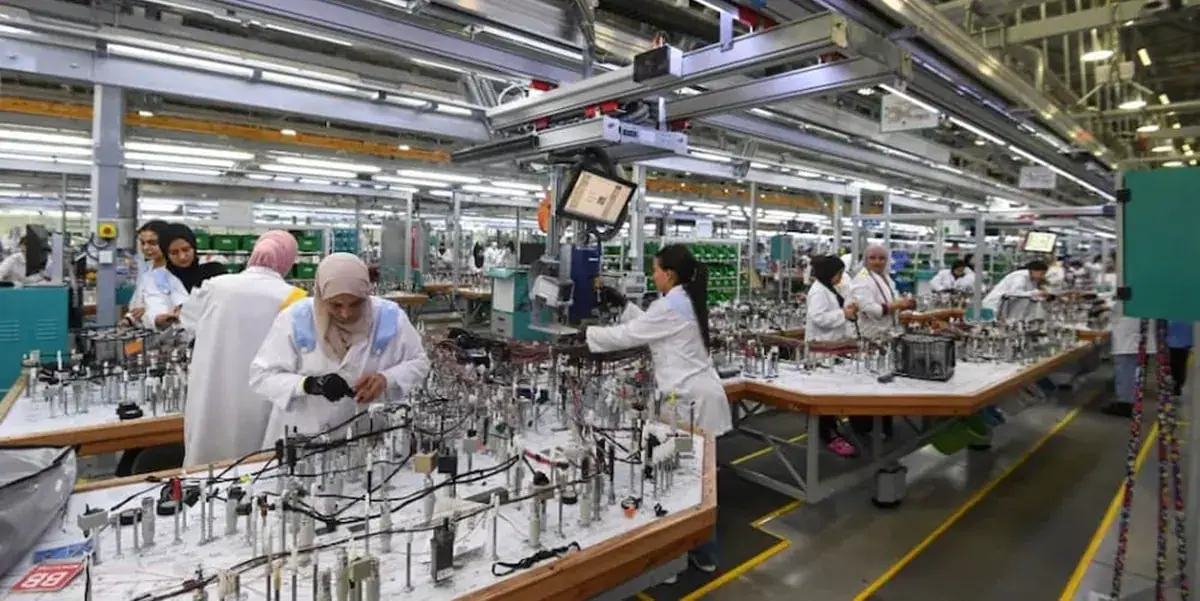
The Centre international des technologies de l'environnement de Tunis (CITET) has presented its PATE-IM project at COP31 in Antalya, which aims to support 115 companies in the automotive and aerospace sectors in their low-carbon transition. The project is implemented with the support of German international cooperation. This initiative is strategic for industries heavily oriented towards European markets, where environmental requirements are increasingly being imposed in international supply chains.
The transition to a low-carbon economy is becoming a competitiveness issue for Tunisian industry. As environmental requirements are imposed in international supply chains, local companies must adapt their production processes, measure their carbon emissions, and strengthen their social and environmental responsibility practices. The PATE-IM project has already supported around 50 industrial companies and trained around 40 national experts specialized in ecological transition.
The program, implemented with the support of the German International Cooperation Agency (GIZ), covers the automotive and aerospace component industries. Its objective is to help companies establish their carbon footprint, integrate social and environmental responsibility into their operations, and meet the environmental requirements of their European customers. For Tunisian industrialists, reducing their carbon footprint is no longer just a voluntary approach.
It is gradually becoming a determining factor in commercial relations with large international groups. Companies involved in automotive and aerospace production chains must be able to document their environmental performance and demonstrate efforts to reduce their emissions. Measuring carbon footprint, improving energy efficiency, and adopting social and environmental responsibility approaches are levers to preserve their positioning with customers and strengthen their ability to attract new investments.
During the Antalya meeting, experts trained within the project presented their accompaniment experiences, particularly in carbon assessments and social responsibility. Beneficiary companies also shared their approaches and results. One of the project's significant achievements is the establishment of a national network of competencies. The training of experts and the mobilization of financing are crucial to support companies in their transition.
The project's success will depend on the ability of Tunisian companies to adapt to European environmental requirements and reduce their carbon footprint. The CITET's initiative is a step towards helping companies meet these challenges and capitalize on new opportunities. By supporting companies in their low-carbon transition, the project aims to contribute to Tunisia's sustainable development and strengthen its industries' competitiveness.
The PATE-IM project's outcomes will be crucial in determining the future of Tunisia's automotive and aerospace sectors. The project's focus on supporting companies in their low-carbon transition will help them remain competitive in European markets. The CITET's efforts to promote sustainable development and reduce carbon emissions will have a positive impact on Tunisia's environment and economy.
Key points
- CITET's PATE-IM project aims to support 115 Tunisian automotive and aerospace companies in reducing their carbon footprint.