A recent study published in the Journal of African Earth Sciences in 2026 has revealed that Tunisia's Chott El Jerid region may hold a significant lithium reserve. According to the study, the reserve is estimated to contain around 142,500 tonnes of lithium in approximately 5 billion cubic meters of saline solutions. This potential reserve could have a theoretical value of up to $2.2 billion. The findings have sparked interest in the region's economic potential.
The study's findings were highlighted by Tunisian deputy Imed Oulad Jebril, who called on the Ministry of Industry, Mines, and Energy to disclose the results of nearly two decades of research on the site. Oulad Jebril urged the ministry to outline measures for evaluating and harnessing the lithium resource. He emphasized that exploiting this reserve could have far-reaching benefits for the country's economy, including investment opportunities, industrial growth, technology transfer, and job creation.
The potential lithium reserve in Chott El Jerid has significant implications for Tunisia's industrial sector. As a strategic metal for battery production and electric vehicle development, lithium could help strengthen Tunisia's position in emerging industries related to the energy transition. The region's southern location could also provide opportunities for growth and development in areas that have historically been economically underdeveloped.
However, Oulad Jebril cautioned that the estimated $2.2 billion value is theoretical and not a guaranteed revenue. The profitability of any potential lithium extraction project depends on various factors, including the concentration of lithium, extraction costs, technical constraints, and environmental impacts. These factors will need to be carefully assessed before any exploitation can begin.
The Tunisian government has yet to respond to Oulad Jebril's calls for transparency on the research conducted so far. The Ministry of Industry, Mines, and Energy has not publicly commented on the findings or outlined any plans for further exploration or exploitation of the lithium reserve. As interest in the region grows, stakeholders are eagerly awaiting an official response.
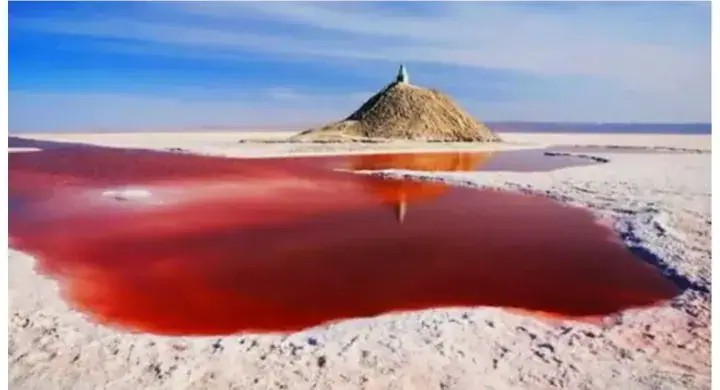
Chott El Jerid, located in southern Tunisia, is a large salt pan that has been the subject of geological studies for many years. The region's unique geology makes it an attractive location for mineral exploration, including lithium. As the global demand for lithium continues to rise, Tunisia's potential reserve could become an important player in the international market.
The development of a lithium industry in Tunisia could have significant economic and environmental implications. While the potential benefits are substantial, careful planning and management will be required to ensure that any exploitation of the reserve is sustainable and responsible. Key stakeholders, including government agencies, industry experts, and local communities, will need to work together to ensure that Tunisia's lithium reserve is developed in a way that benefits the country and its people.
Key points
- The potential lithium reserve in Chott El Jerid is estimated to be worth $2.2 billion.
- The reserve is thought to contain around 142,500 tonnes of lithium in 5 billion cubic meters of saline solutions.
- The exploitation of the lithium reserve could have significant economic benefits for Tunisia, including job creation and industrial growth.