The Charles-Nicolle university hospital in Tunis has acquired a new technology for treating chronic kidney disease. The hemodiafiltration (HDF) technique combines two blood purification mechanisms to effectively eliminate certain toxic substances. This innovation was inaugurated on November 16, 2026, as part of a cooperation project between the Ministry of Health and the King Salman Center for Relief and Humanitarian Action.
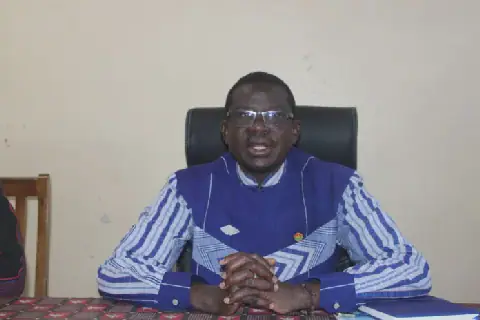
The partnership aims to equip and modernize a specialized unit at Charles-Nicolle hospital, enhancing care for patients with kidney diseases. Health Minister Mustapha Ferjani emphasized that this cooperation introduces new medical technologies to Tunisian public hospitals. He noted that patients receiving free care will also benefit from these advancements. Ferjani also mentioned other medical projects resulting from the Tunisian-Saudi partnership, including cochlear transplantation and corneal graft programs.
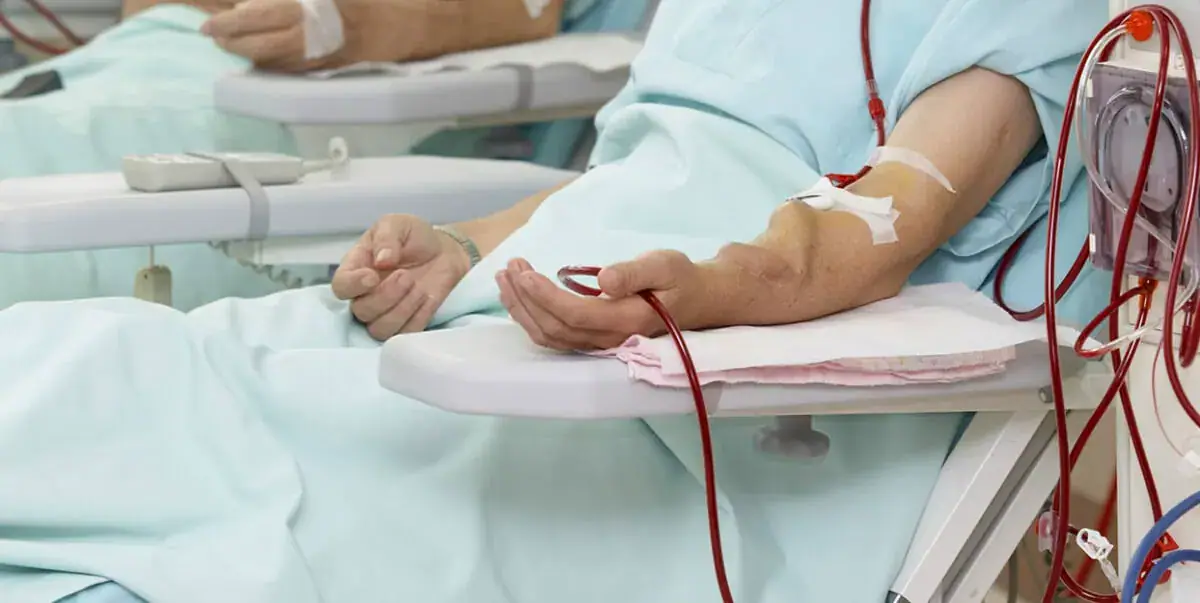
Hemodiafiltration works differently from conventional hemodialysis, which primarily uses diffusion to remove blood waste. Instead, HDF combines diffusion and convection mechanisms. The patient's blood flows through a semi-permeable membrane filter called a dialyzer. Diffusion allows small toxic molecules to pass through the membrane into the dialysis fluid, where their concentration is lower.
The convection mechanism uses pressure to filter water through the membrane, carrying larger molecular substances that are harder to eliminate with traditional hemodialysis. The eliminated water and substances are then replaced with ultrapure and sterile solution to maintain the body's water balance. This combination broadens the range of waste removed during dialysis sessions.
The introduction of hemodiafiltration at Charles-Nicolle hospital is part of a larger effort to improve kidney disease treatment in Tunisia. The technique offers more effective removal of toxic substances, potentially improving patient outcomes. This development is expected to enhance the quality of care for patients with chronic kidney disease.
The cooperation between the Tunisian Ministry of Health and the King Salman Center for Relief and Humanitarian Action reflects a growing partnership in the healthcare sector. This collaboration has already led to significant advancements, including cochlear transplantation and corneal graft programs at La Rabta and Charles-Nicolle hospitals.
The adoption of hemodiafiltration at Charles-Nicolle hospital marks a significant step forward in Tunisia's public healthcare system. By integrating this advanced dialysis technique, the hospital can provide more effective treatment for patients with chronic kidney disease, ultimately improving their quality of life.
Key points
- Hemodiafiltration combines diffusion and convection to effectively eliminate toxic substances from the blood.
- The technique was introduced as part of a cooperation project between the Tunisian Ministry of Health and the King Salman Center for Relief and Humanitarian Action.
- The partnership aims to enhance care for patients with kidney diseases in Tunisian public hospitals.