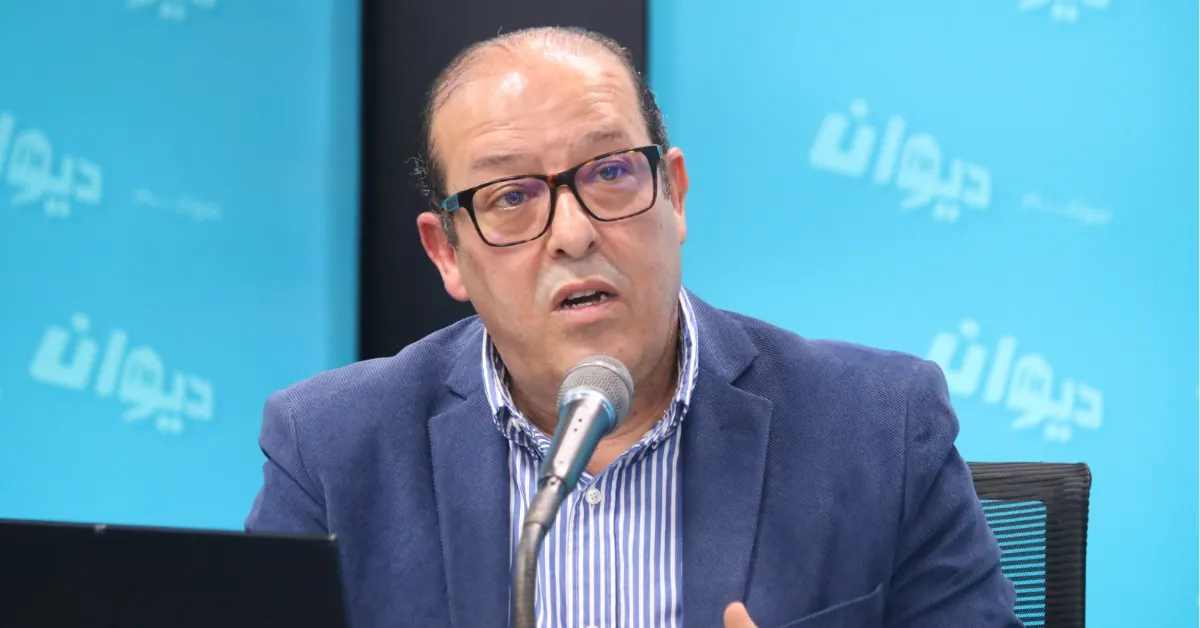
Tunisia's central bank has decided to keep its key interest rate unchanged at 7%, a move that has surprised some experts. The bank's decision was announced on October 8, 2026, and comes amid rising inflation and economic pressures. According to economic expert Moez Sossi, the decision was unexpected, and he had predicted a rate hike of at least 50 basis points to 7.5%.
Sossi cited several factors that led him to expect a rate hike, including global energy market trends, major central banks' decisions, and pressure on the Tunisian dinar. He noted that the global energy market remains uncertain, with rising fuel prices likely to increase economic pressures on Tunisia. Additionally, major central banks, such as the US Federal Reserve and the European Central Bank, have tightened their monetary policies, which could further pressure the Tunisian economy.
The expert also pointed to internal factors, including a significant gap between the oil price assumptions in the finance law and the actual price recorded. The budget estimates were based on an oil price of $63.3 per barrel, while the actual average price from January to September was around $94 per barrel. This discrepancy could exacerbate economic pressures and inflation.
Tunisia's economic growth has slowed, with a growth rate of 2.3% in the second quarter, down from 2.6% in the first quarter. Sossi warned that this slowdown could lead to higher prices. Inflation has also increased, reaching 5.6% in September, up from 4.8% at the beginning of the year. This marks the second consecutive month of rising inflation, a trend not seen since 2023.
Despite the current economic challenges, Sossi expects the central bank to raise the interest rate by 50 basis points in the near future. He believes this move would be in line with the central bank's role in maintaining price stability, protecting purchasing power, and supporting the dinar's value and the national economy's competitiveness.
The central bank's decision to keep the interest rate unchanged has been seen as a surprise, but it may not last long. With rising inflation and economic pressures, the bank may need to adjust its monetary policy soon. Sossi's prediction of a future rate hike suggests that the central bank may need to take further action to stabilize the economy.
The Tunisian economy faces significant challenges, including rising inflation, a slowdown in growth, and pressure on the dinar. The central bank's decision to keep the interest rate unchanged may provide temporary relief, but the country's economic woes are likely to persist. The government and central bank will need to work together to address these challenges and stabilize the economy.
Key points
- Tunisia's central bank keeps key interest rate at 7% amid rising inflation and economic pressures.
- Experts expect a rate hike in the near future to address economic challenges.
- Tunisia's economy faces significant challenges, including rising inflation, slow growth, and pressure on the dinar.