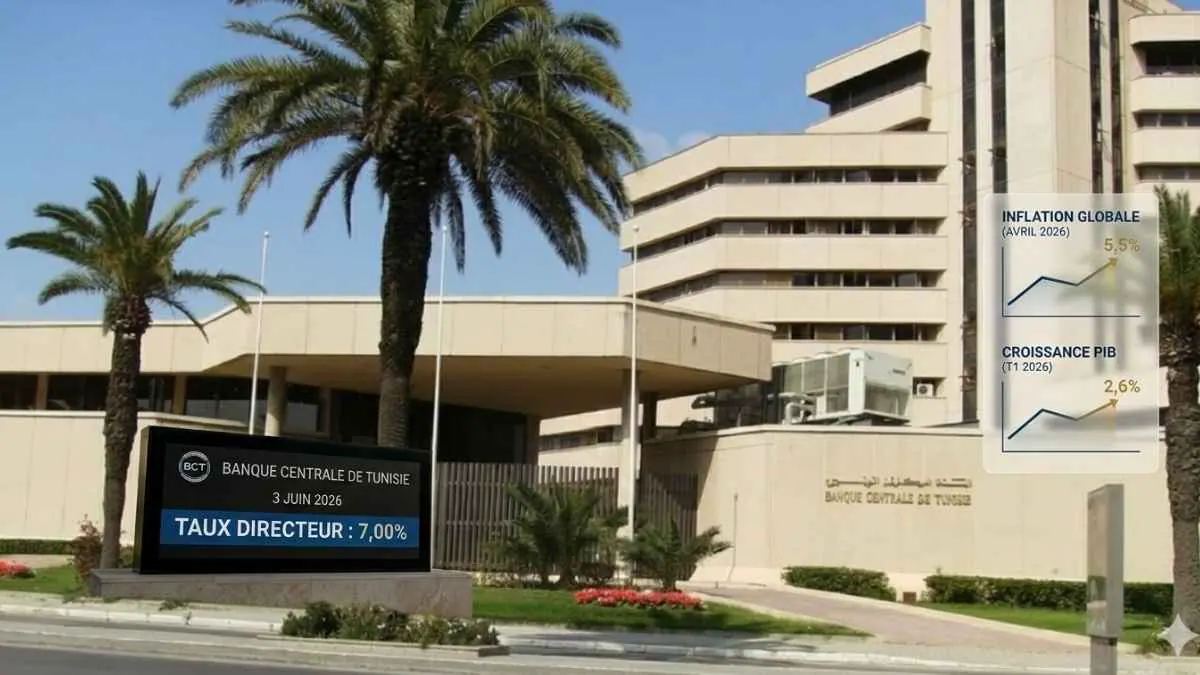
The Central Bank of Tunisia (BCT) has published a new circular, number 2026-10, on September 25, 2026, defining the rules governing the activity and functioning of payment establishments. This circular outlines the conditions for exercising payment establishment activities and specific requirements for governance, internal control, and reporting to the Central Bank of Tunisia. The circular will come into effect three months after its publication date.
The new circular replaces and repeals the 2018 circular, number 2018-16, which previously regulated payment establishments. According to the new circular, payment establishments are authorized to provide a range of services to their clients, including opening payment accounts in dinar, conducting cash deposit and withdrawal operations, and performing electronic fund transfers. These services also include payment operations via communication means, issuance of electronic payment means, and marketing of prepaid electronic money.
The services provided by payment establishments are limited to transactions in Tunisian dinar and within the country's territory. The circular also imposes new governance rules on payment establishments, requiring them to establish an effective governance system adapted to their activities and risk profiles. This system aims to ensure sound and prudent management, protecting the interests of shareholders, creditors, and clients.
Payment establishments are required to create an audit and risk committee, which must develop a charter defining its roles, composition, and operating rules. Additionally, these establishments must establish independent audit, risk management, and compliance control functions within their organization. These control functions must have clear attributions and be separate from operational and support structures.
The new circular also redefines internal control rules and anti-money laundering measures, requiring payment establishments to implement an internal control system adapted to their activities and associated risks. This system aims to prevent money laundering, terrorist financing, and proliferation of weapons of mass destruction.
The circular has been introduced to enhance the regulatory framework for payment establishments in Tunisia, ensuring the stability and security of the country's financial system. By implementing these new rules, the Central Bank of Tunisia aims to promote a safe and reliable payment environment, protecting the interests of all stakeholders involved.
The implementation of this circular is expected to have a positive impact on the Tunisian financial sector, promoting financial inclusion and improving the efficiency of payment services. The new regulatory framework will also help to mitigate risks associated with payment establishments, ensuring the overall stability of the financial system.
Key points
- The Central Bank of Tunisia has introduced a new circular regulating payment establishments.
- The circular outlines new governance rules and internal control requirements for payment establishments.
- The new regulatory framework aims to promote a safe and reliable payment environment in Tunisia.